




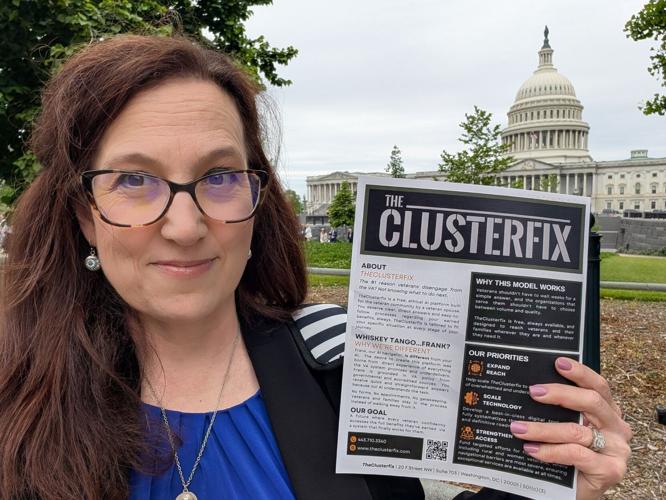



Tracy Contrino
For many veterans, accessing benefits they have earned can feel almost as difficult as earning them in the first place.
Long forms, complicated requirements, confusing websites and lengthy appeals can leave veterans and their families unsure of where to begin or frustrated enough to give up.
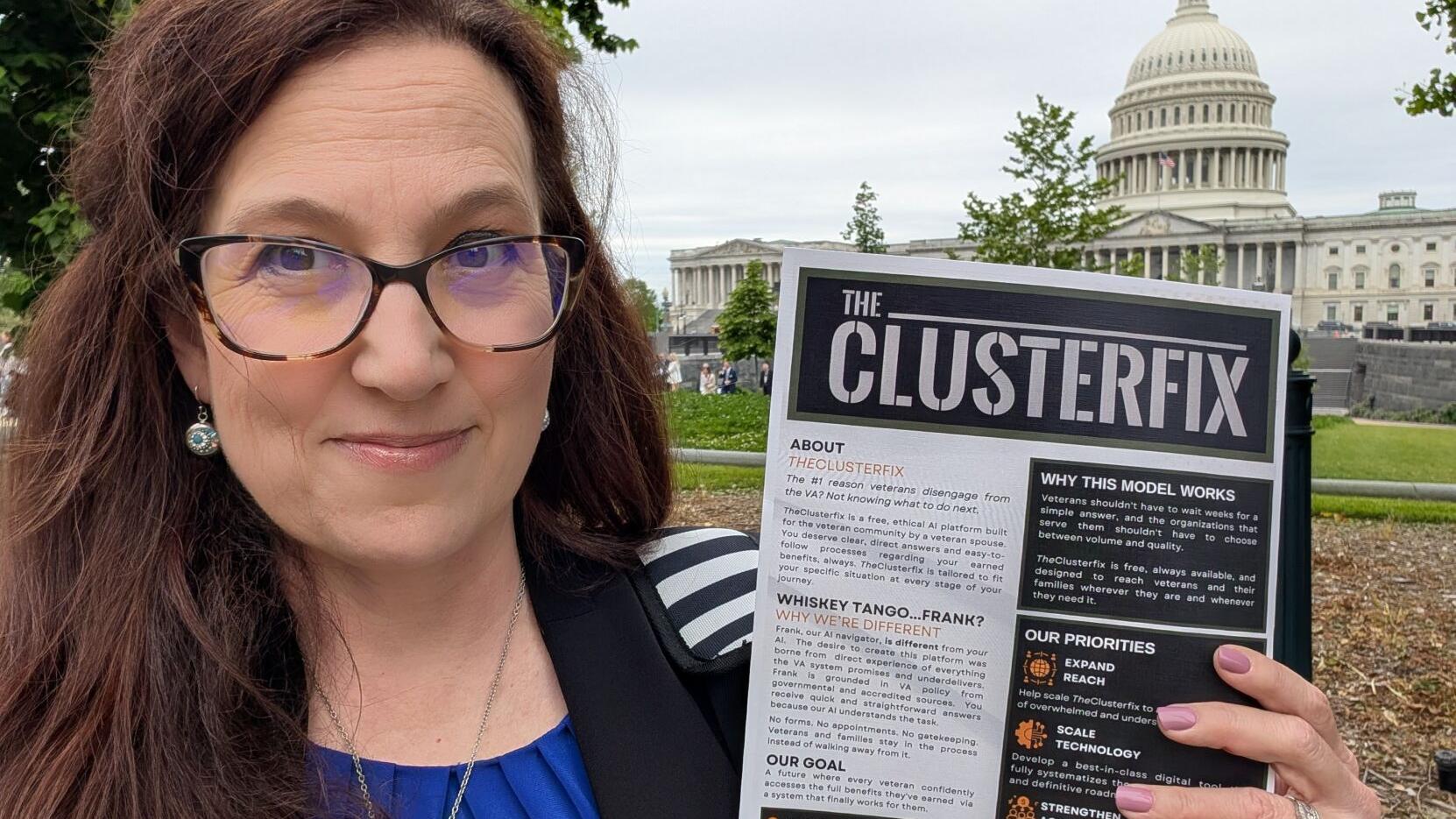
That challenge is what inspired Calvert County resident Tracy Contrino to create TheClusterFix, an independent nonprofit organization designed to make navigating veterans’ benefits simpler, faster and less intimidating.
“The nonprofit provides easy, simple and quick answers for the veteran community as far as accessing benefits,” Contrino said.
The idea grew out of Contrino’s own experience as a military spouse. Her husband served in the Army and National Guard for 18 years and is 100% P&T disabled. Over the years, Contrino became increasingly frustrated by the difficulty of navigating the Department of Veterans Affairs system and finding straightforward answers about available benefits.
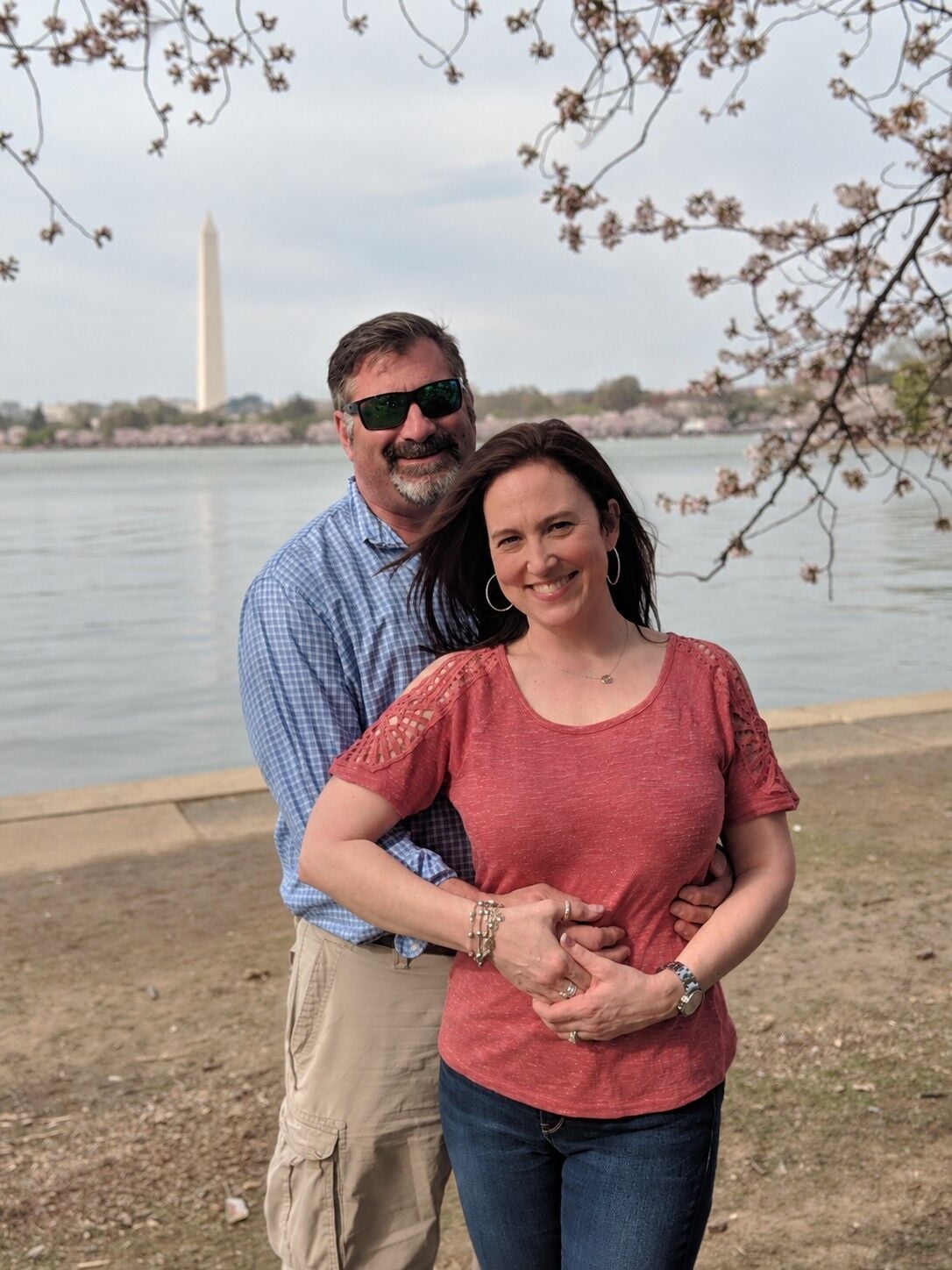
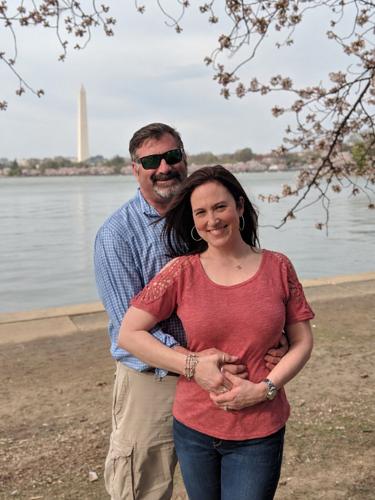
Carl and Tracy Contrino
She began thinking about how the emerging technology she was seeing in her professional life could be used to solve a problem she had encountered personally.
As artificial intelligence became more common in the workplace and everyday life, Contrino saw an opportunity.
“What is the biggest way to get benefits using AI as a tool?” she recalled asking herself.
The answer became Frank, TheClusterFix's AI-powered guide for veterans.

Frank, the AI assistant on TheClusterFix.
Frank is designed to help veterans find and understand publicly available information from the VA and other federal sources. Rather than replacing the VA or providing legal or medical advice, the tool is intended to help users figure out where to start and what steps they may need to take next.
TheClusterFix emphasizes that it is an independent nonprofit and is not affiliated with or part of the VA.
Hope Bald, president of TheClusterFix's board, brings her own personal connection to the military and veteran community to the organization.
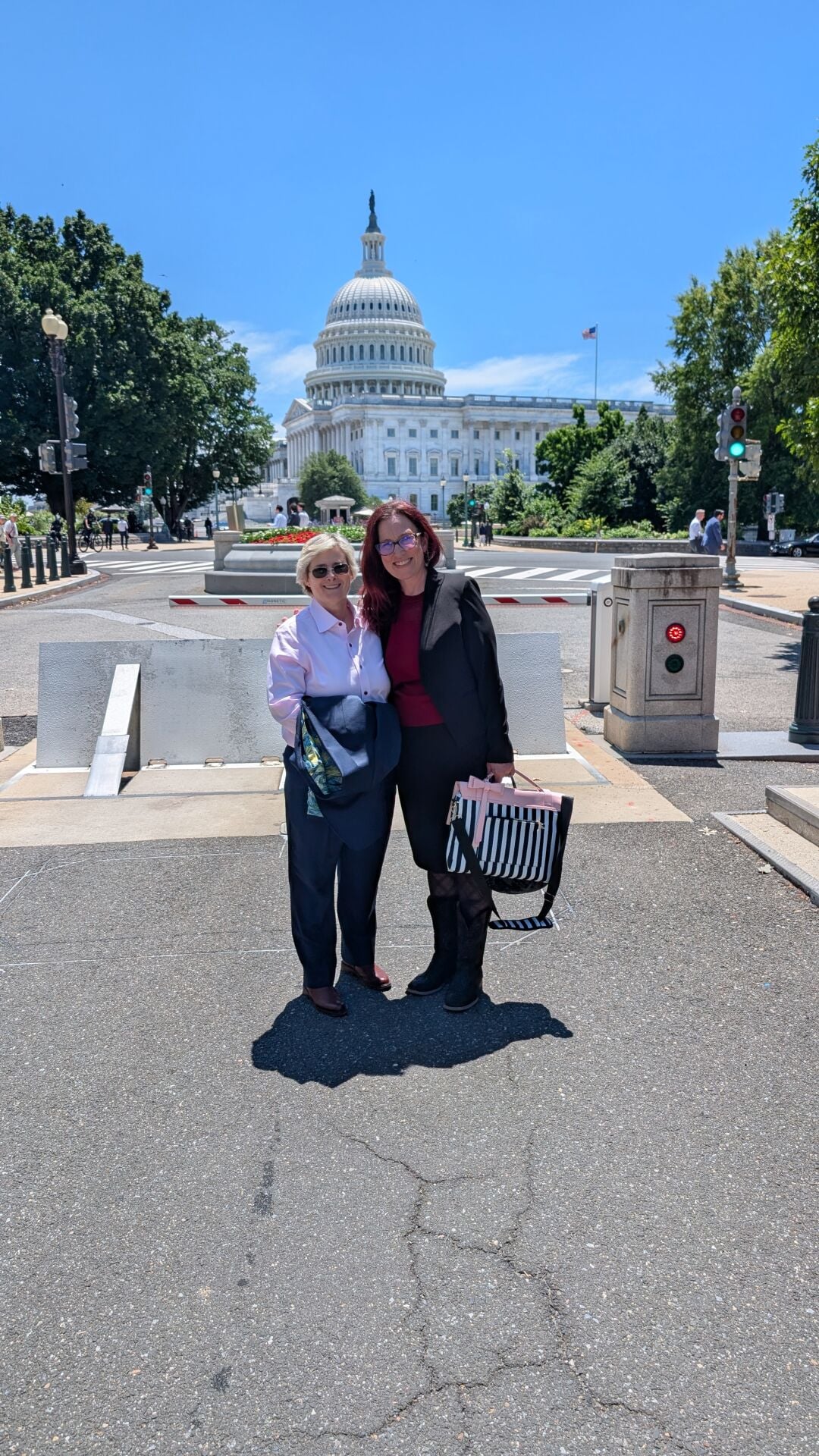
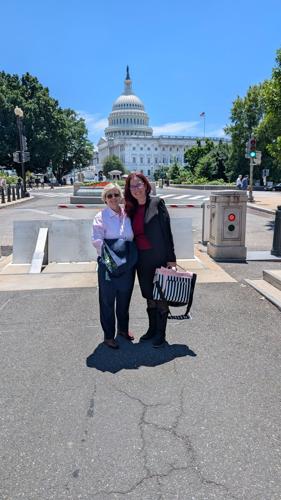
Hope Bald, left, poses with Tracy Contrino.
Bald's father was a career Army servicemember. She also served briefly herself before later becoming a veteran spouse.
“I’ve lived the full spectrum of the veteran experience from different angles,” she said.
Bald first connected with Contrino through another veterans-advocacy nonprofit. At the time, Bald and her husband were working with the organization, where her husband served as director of education.
“We met Tracy and Carl [Tracy’s husband] in person and immediately connected with their mission, especially the idea of giving veterans ethical, plain-language VA answers any time of day,” Bald said.
She said Frank assisted her on her own VA claim.
“Frank surfaced information that the veteran service personnel never mentioned. That was a turning point for me … We’re now working with her to expand Frank’s ability to give more detailed guidance on VA education benefits. This matters deeply to Tracy and me because we’ve both dealt with problems in the VA education system. Veterans deserve clarity, not confusion,” Bald said.
According to Contrino, one of the biggest challenges facing veterans and their families is obtaining a disability rating, which can open the door to certain VA benefits.
“Getting evaluated for the rating is a headache,” Contrino said, describing the process as tedious and drawn out. In some cases, she said, it can take months or even years.
Denials can add another layer of frustration. Contrino said veterans may encounter processes that feel complex, subjective or inconsistent, leaving some unsure about what to do next.
“Veterans feel alone and really get lost in the process,” she said. “A lot of people give up.”
That can be particularly troubling, she said, because some of the available benefits can be significant for veterans and their families.
TheClusterFix was built around the idea that veterans shouldn't have to become experts in navigating government systems just to find out what resources may be available to them. Frank is designed to provide answers quickly and point users toward the information they need.
“No appointments. No waiting. No confusion,” Contrino said.
She developed Frank's voice and personality to reflect qualities she believes are familiar to the military community: direct, calm, patient and practical.
Frank was also designed to feel grounded in the veteran experience. The character represents clarity under pressure and forward movement when the path ahead is unclear.
Contrino said the goal isn't to compete with the VA.
Instead, she sees AI as a way to save veterans time, potentially days, weeks or months spent searching websites, trying to understand requirements or waiting on hold.
So far, Contrino said, many of the questions Frank receives involve general benefits and education benefits. The organization has also begun finding success working with higher education institutions.
For Contrino, one of the most important parts of TheClusterFix is that veterans should be able to access the resource without paying for it.
The nonprofit is looking for grants and accepts community donations as it works to expand the project.
Looking ahead, Contrino hopes to build partnerships with other community organizations and develop a broader resource center for veterans. She is also seeking funding to expand the AI agent and collect additional non-personally identifiable data that could help improve the service.
The larger goal is to create a network of resources that can help veterans move forward rather than becoming overwhelmed by the process.
“This is really something I believe in,” Contrino said. “No matter what happens, it’ll always be there.”
And for veterans who have spent months or years trying to figure out where to turn, that simple promise may be exactly the point: making the next step a little easier to find.

Tracy Contrino