

November marks the annual National Native American Heritage Month, and the Navy is joining in this year’s observances, themed “Native Spirit: Yesterday, Today and Forever.”
In his Native American Heritage Month proclamation earlier this month, President Barack Obama called on the country to reflect on the ways Native Americans shape the nation’s culture, citing environmental stewardship and serving as models of government to the founding fathers.
“American Indians and Alaska Natives helped build the very fabric of America,” Obama said. “Today, their spirit and many contributions continue to enrich our communities and strengthen our country. During National Native American Heritage Month, we honor their legacy, and we recommit to strengthening our nation-to-nation partnerships.”
The month has its roots in New York, when in 1916, the governor established American Indian Day. In 1990, President George H.W. Bush gave the observance national designation as “National American Indian Heritage Month.”
Native Americans have a long history of military service, starting during the American Revolution when they enlisted in the Army, Navy and Marine Corps. More than 12,000 Sailors and 1,500 civilian employees of Native American descent currently serve in the U.S. Navy, carrying on the legacy of Native veterans before them.
Americans of native and Alaskan heritage began serving in the country’s Army, Navy and Marine Corps during the foundation of the United States in the American Revolution, and have served in every war since, even though they were not granted citizenship until 1924.
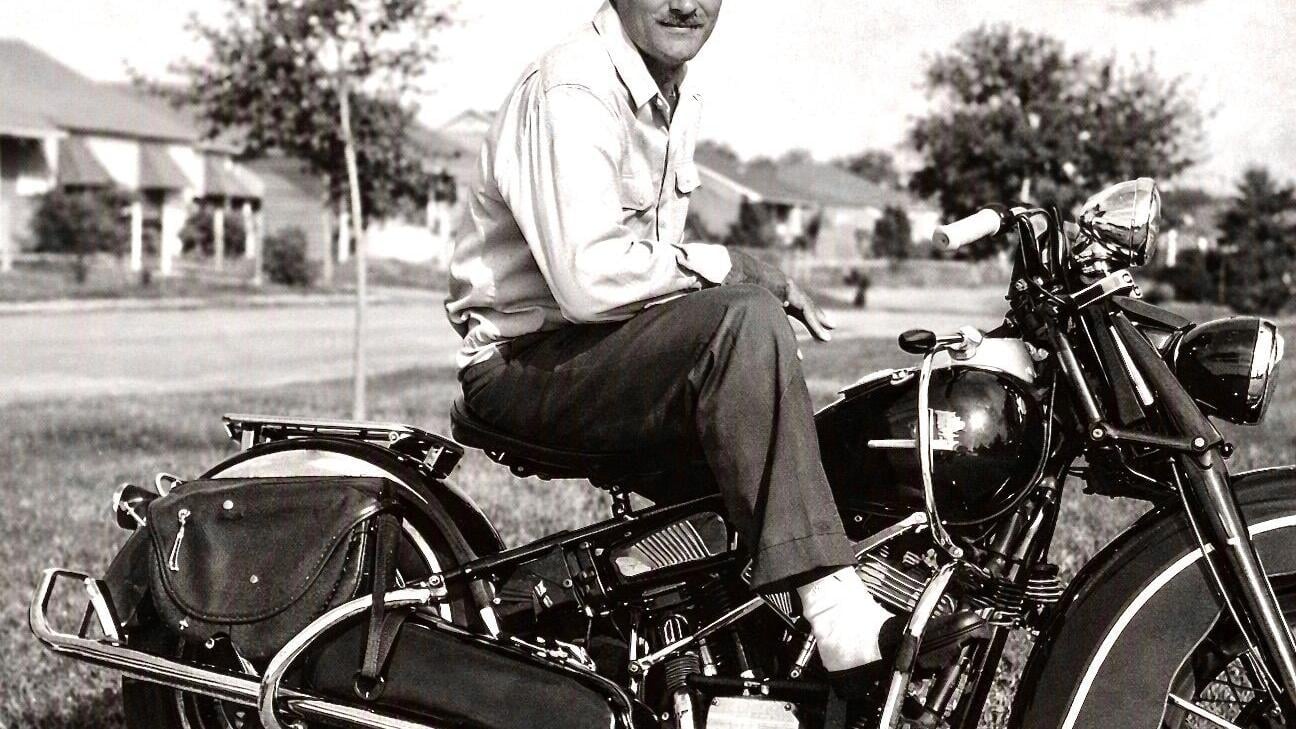
During Native American Heritage Month, Naval History and Heritage Command (NHHC) is highlighting some of the many Native Americans to serve in the armed forces. In 1917, Joseph James “Jocko” Clark, of Cherokee lineage, became the first Native American graduate of the U.S. Naval Academy and the first to achieve the rank of admiral. Clark served in World War II and the Korean War, and according to NHHC, earned a reputation as a pioneer in carrier-attack and aviation strategy.
Cmdr. Ernest Evans, of Cherokee and Creek descent, led the crew of the USS Johnston during the Battle off Samar, Philippines in 1944. Evans’ efforts helped repel the Japanese attack, although he and half the crew did not survive the battle. For his actions in helping defeat the enemy forces and leading his crew, Evans was posthumously awarded the Medal of Honor.
For more information and biographies of Native Americans in the Navy and U.S. military, including stories about the famous Navajo code talkers of the U.S. Marine Corps in World War II, visit www.history.navy.mil.