Search
Filter Search
-
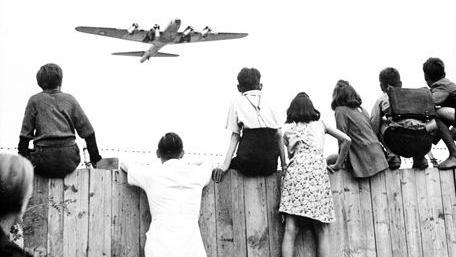
#FlashbackFriday :Berlin Blockade EndsArchiveFollowing the Allied defeat of the Axis in World War II, Germany was a nation divided into four sectors administered by the four major Allied powers: the USSR, the United States, Great Britain and France. The capital of Germany, Berlin, although located deep in the Soviet sector, was also divided among the four powers. While the western democracies were open, the USSR was a police state, making Berlin an island in the middle of the Soviet sector. Germany, and Berlin’s, future was a major point of agenda in postwar treaty talks, especially after the United States, Britain, and France sought to unite their occupation zones into a single economic zone, and in 1948 the USSR withdrew from the Allied Control Council governing occupied Germany over this issue.
By Nick Minecci
USAG Public Affairs
1 Min Read
-
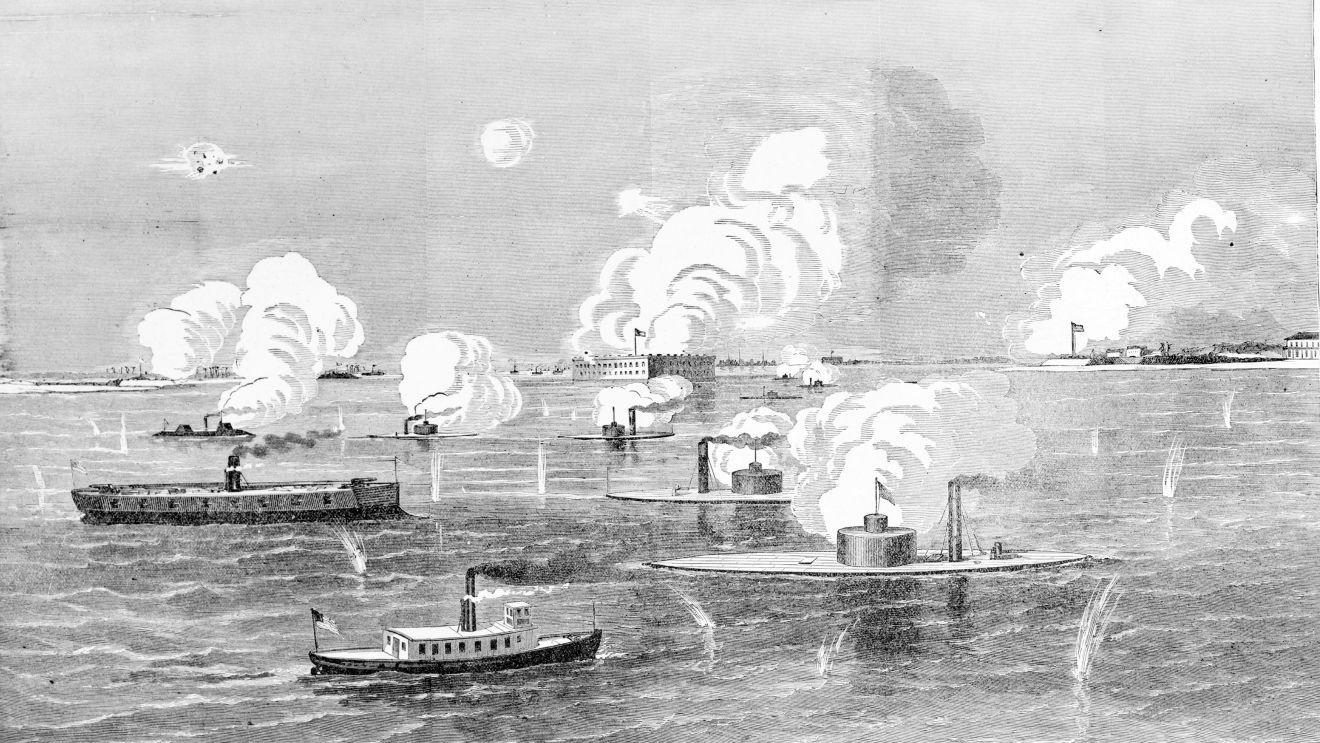
This Week in Military HistoryThis artwork, which appeared in Harper’s Pictorial History of the Civil War, depicts Union vessels in waters of Charleston Harbor as the firing on Fort Sumter by Confederate forces begins in April 1861. The Union Navy plays an integral role in blockading the Confederates, keeping them contained – both diplomatically and economically – from other nations, according to an entry on Navy.mil.
Courtesy Library of Congress
-
This week in Naval historyFeaturesNovember 20
1 Min Read
-
This Week in Naval HistoryArchiveNovember 20
1 Min Read
-
The Grand Design: Strategy and the U.S. Civil WarArchive
Reviewed by Cmdr. Youssef Aboul-Enein
1 Min Read
-
Hispanic Americans making Navy historyRegional NewsSept. 15 marked the start of National Hispanic Heritage Month and this year's theme, Diversity United, Building America's Future Today celebrates the long and important presence Hispanic Americans holdpast, present and futurein the United States.
By Tester staff
2 Min Read
-
History and Heritage noteRegional NewsAt 9:40 on the evening of Feb. 15,1898, a terrible explosion on board the USS Maine shattered the stillness in Havana Harbor as more than five tons of powder charges for the vessel's six- and ten-inch guns ignited, virtually obliterating the forward third of the ship. The remaining wreckage rapidly settled to the bottom of the harbor.
By R. Mark Cummings NAS Patuxent River Command Master Chief
1 Min Read