
Finding my roots, and myself
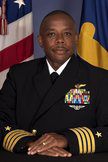
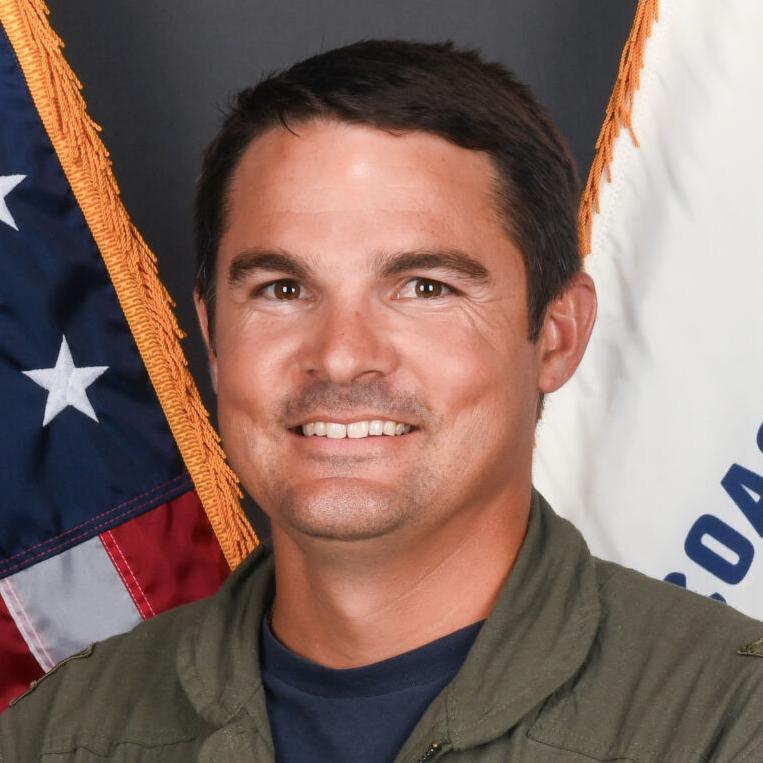
U.S. Navy photo
Capt. Brian Jacobs leads the Navy’s Common Aviation Support Equipment Program Office (PMA-260) at NAS Patuxent River. Jacobs joined the Navy 35 years ago.
By Capt. Brian Jacobs
Common Aviation Support Equipment Program Office (PMA-260) Program Manager
I am just three generations removed from my slave ancestor. It’s a discovery I made this February when I was asked participate in the Federal Bureau of Prisons’ Black History Month event in Washington, D.C. As a presenter, I chose to focus on the history of African-Americans in the U.S. Navy, to support the topic, “A Century of Black Life, History, and Culture,” the federal government’s theme for 2015.
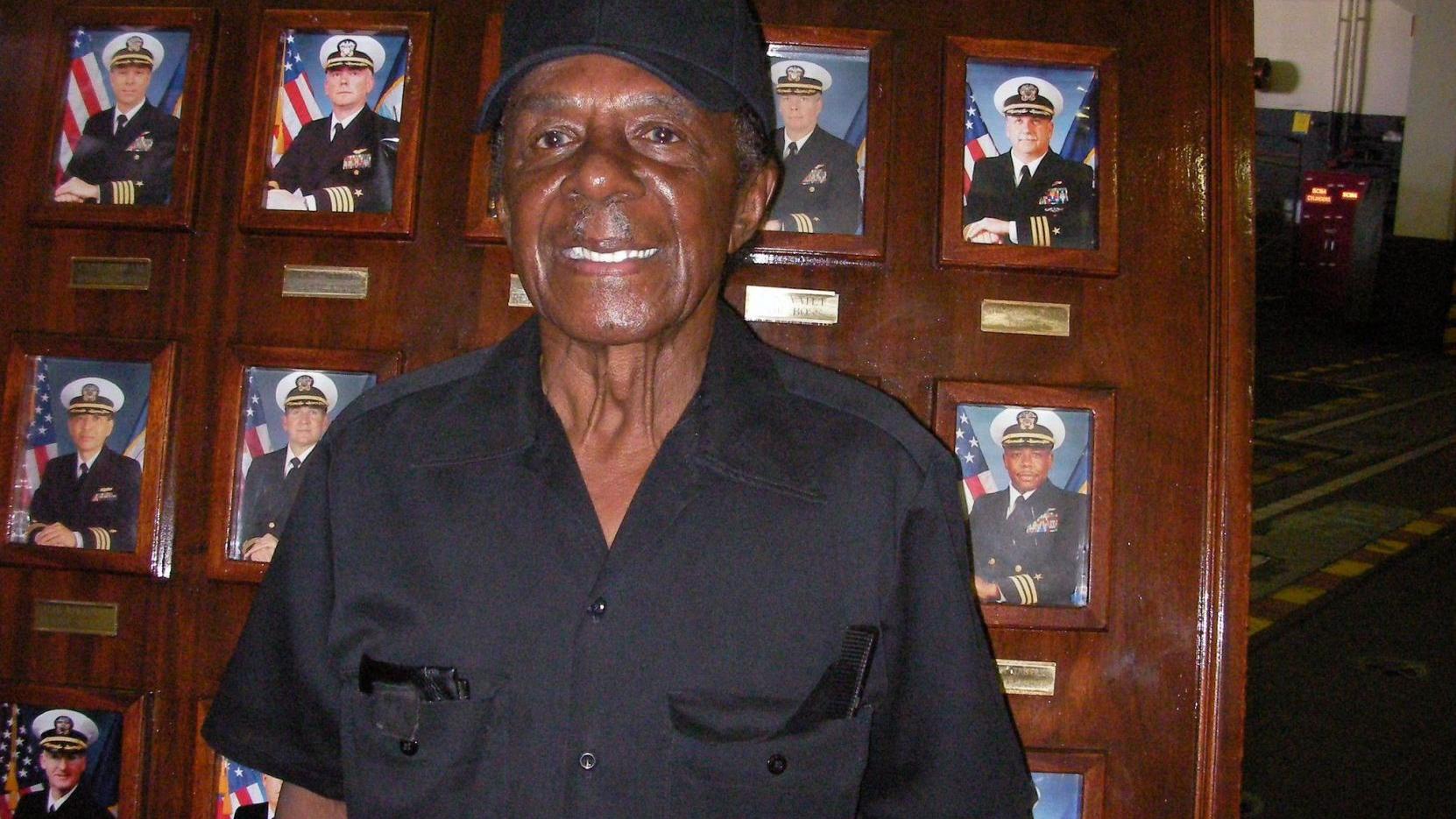
While researching the accomplishments of African-Americans in the Navy, I also explored my family’s “Century of Black Life.” I didn’t have to look any further than my father, Ralph Kellogg Jacobs Sr., who will be 90 this year. He shared his almost-a-century of information from memory.
My father’s father was born in Harrisonville, Missouri, in 1898. My grandfather was the son of a slave, who, to his knowledge, was born and raised on a Missouri plantation. The historical timeframe of my great-grandfather’s life is sketchy. Missouri was not considered a southern state and had populations of free Blacks, yet slavery existed in many parts of that region.
Oral History
According to the National Park Service’s website of Jefferson, Missouri, the majority of that state’s slaves worked as field hands, producing tobacco, grain and livestock along the valleys of the Mississippi and Missouri rivers. Some even worked the ferries of the Mississippi River.
Tracking the family history of the slaves who lived on those plantations is challenging because census records from that era only list their first names. Genealogical research could uncover more of my family tree, but I have not plumbed those depths; I only have my father’s oral history. As for my grandmother’s side of the family, which originated from Tennessee, I have very little knowledge of them, since we didn’t have much contact.
My dad made the trek to Los Angeles from Missouri in 1940 as a 15-year-old high school senior. He and his mother, my Grandmother Frieda, had previously traveled to California to visit friends. Dad enjoyed those trips, liked the weather and thought it would be nice to live his adult life there. So, in his senior year of high school, he left his hometown of Harrisonville and moved to California to live with friends of the family.
Dad attended Jefferson High School in Los Angeles and graduated at age 16. After graduation, he went back to Missouri, where he worked odd jobs as dishwasher and store clerk until he was drafted into the Navy in 1943. There, he worked as an aviation structural mechanic and was stationed in Hawaii during World War II. Dad made history as he was included among the first class of African-American Sailors allowed to specialize in a field other than steward or cook, where blacks were often relegated back then.
Bound for Los Angeles
My father eventually left the service and returned to Missouri, where he met and married my mother. After a year of marriage, they left Missouri for Los Angeles, where he found work as a postal carrier. He left that job to work for electronics company RCA. In 1963, Dad opened his own TV repair business.
My parents separated when I was 7. My mother, a nurse, raised seven of us on her own. Like my father, my brother and I joined the Navy. My brother has since left the service, but I continue to serve, adding my name to a long line of African-Americans who have invested their lives in their country.
Although I had no clear direction on how to find the origins of our family name, Jacobs, I thought it important to find out as much as I could, so I began with my father. I encourage you to find your roots, too. Be the vessel to carry on your family history. It is a rich legacy to pass on to the next generation. My story isn’t African-American history; it is American history.