



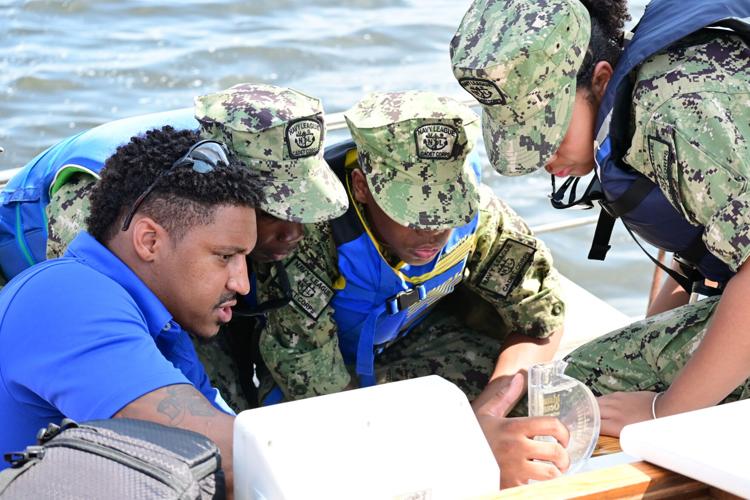

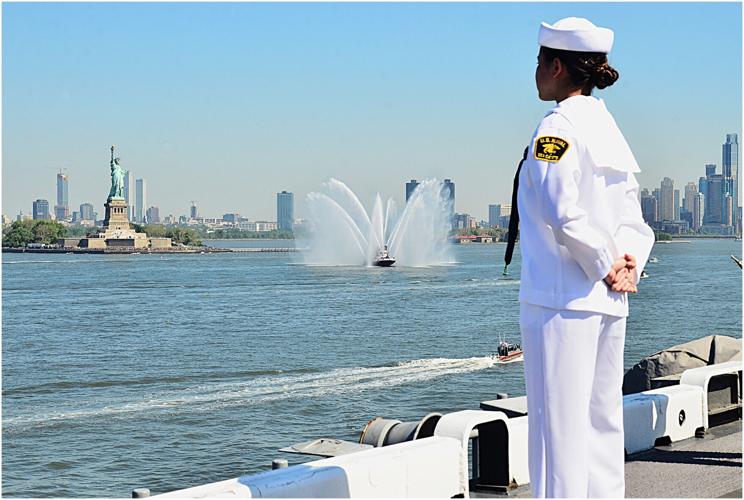


A spirit of service and dedication to country — that’s what the United States Naval Sea Cadet Corps instills in its young members. With more than 5,500 cadets nationwide, ages 10 to 18, the program shapes leaders of character through discipline, teamwork and immersive, hands-on training.
“The whole point is to grow into leadership,” Andy Lennon, executive director of the U.S. Naval Sea Cadet Corps, said. “One of our goals is for them to have self-confidence that they earn. You did something hard, you overcame a challenge and you succeeded in the end.”
Training the next generation
Sea Cadets follow a structured curriculum that covers seamanship, leadership, navigation, naval history, fitness and drill. The organization has two tiers: the Navy League Cadet Corps (NLCC) for ages 10–13, and the Naval Sea Cadet Corps (NSCC) for students through high school. Today, 28% of Sea Cadets are female and 72% are male.

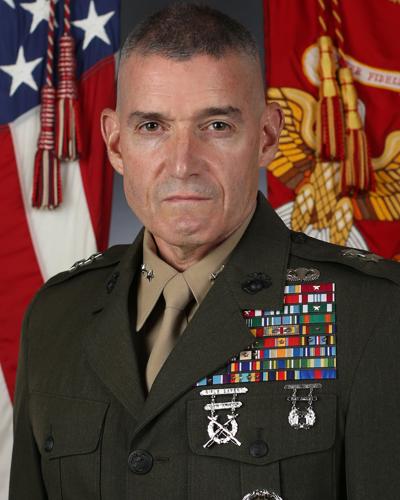
General Jason Bohm
“Being a Sea Cadet is very similar to being an active reserve sailor or Marine,” retired Marine Corps Major General Jason Q. Bohm, himself a former Cadet, said. “A normal drill or weekend will be loaded with administrative work, classroom instruction, physical training, close-order drill inspections, evaluations and mentorship, plus special hands-on training in areas like damage control or firefighting. Above all, it’s an enjoyable time of building relationships and camaraderie.”
A path to service
Nearly 60% of cadets go on to serve in the military, with many attending service academies including Annapolis, West Point and the Coast Guard Academy.
“Sea Cadets is the most relevant youth program in America,” Lennon said. “We’re high quality, but we’re highly relevant for addressing America’s key issues.”
Those issues, Lennon explained, include strengthening the pool of military recruits, addressing shortages in the U.S. Merchant Marine, and preparing more workers for the shipbuilding trades. Cadets are exposed to all three fields — from seamanship training to shipyard skills — giving them insight into careers that are meaningful and income-earning.
“We actually do training in those highly relevant and, by the way, lucrative trades,” Lennon said.
Still, military service isn’t required. The skills gained in the program — commitment, leadership, resilience — translate into any career path.

“The Sea Cadets instill the discipline, standards, and values we seek in our young generation,” Bohm said. “They learn the value of teamwork and selfless sacrifice, always placing others before self. And they discover that one must work hard to earn what they get — both in service and in life.”
Unique experiences
Each unit typically has 20–30 cadets who train one weekend a month, supplemented by immersive summer programs. Cadets cut their hair to military regulation, wear uniforms and complete physical training — all while getting a real taste of Navy life. They tour ships, explore naval installations and participate in overnight exercises that challenge their skills and resilience.
“What I hear (is fulfilling) from the cadets is just their confidence in life — their preparedness to go be responsible, productive adults,” Lennon said.
Beyond traditional training, cadets are introduced to a wide range of specialized fields, from robotics, aviation and SCUBA to medical training, culinary arts, STEM and even special forces simulations. These experiences broaden horizons, spark career interests and give cadets hands-on exposure to disciplines that extend outside the classroom.
More than a uniform
Whether pursuing a military career or simply seeking growth, the Sea Cadet experience offers adventure, challenge and purpose.
“When they put on that uniform, it kind of transforms them,” Lennon said. “They stand a little taller and prouder. That opportunity to be more of an adult and more of a leader prepares them for life.”
