
NICBR Hosts 2013 Careers in Science Seminar Series
The National Interagency Confederation for Biological Research Educational and Outreach Working Group hosted the 3rd Careers in Science Seminar Series July 18 at Fort Detrick.
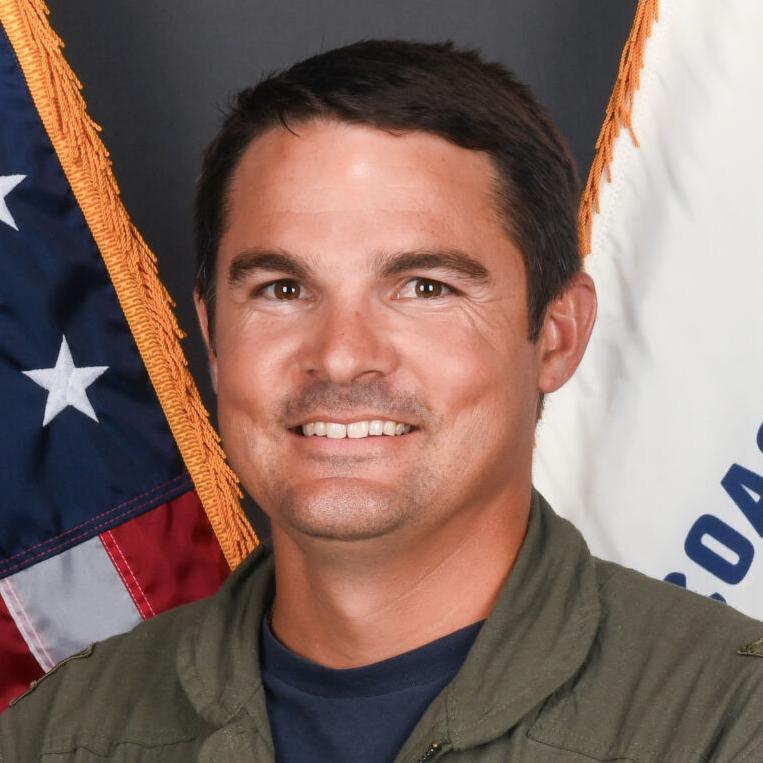
Joseph Kozlovac, agency biosafety officer for the U.S. Department of Agriculture’s Agricultural Research Service (USDA-ARS), spoke about his professional journey in the seminar, “Biosafety Profession: An Unexpected Journey.”
In explaining the title of his presentation, Kozlovac told the audience how biosafety was originally something of an unintended career direction for him, which is a similar case for many biosafety professionals. After graduating from the University of Pittsburgh at Johnstown, he began working in a Biosafety Level-3 (BSL-3) production laboratory providing viral antigen for in vitro diagnostic tests. A few years later, he supervised three large BSL-3 labs, where he learned biosafety tenets and more about the profession. He landed his first role as a biosafety professional at the University of Maryland at Baltimore, followed by biosafety positions of increasing levels of responsibility at Johns Hopkins Institutions and SAIC-Frederick/National Cancer Institute-Frederick. Today, as an agency biosafety officer, he oversees the development of national policy issues related to biosafety, biocontainment, laboratory biosecurity and personnel reliability as it relates to the life sciences.
Kozlovac noted that biosafety professionals come from various professions and scientific backgrounds; however, they must develop competency in core proficiencies such as risk assessment, disinfection and sterilization methods, epidemiology and disease transmission, program management, biocontainment design and operation, and work practices and procedures.
Biosafety leaders not only have mastered these competencies, he added, but have distinguished themselves further by developing expertise in one or more biosafety areas (risk assessment, high containment, agriculture, field applications, and laboratory design). Often, they’ve published in these areas and taught others on the subject. Continual learning and certification through various programs such as the Certified Biosafety Professional (CBSP) are also important elements of success.
Biosafety professional responsibilities include managing biosafety programs on behalf of the institute’s leadership. Kozlovac views such professionals as a sort of “institutional glue,” since they must effectively communicate to all levels within the organization (from support staff to senior leadership) the biosafety tenets, organizational goals and policy related to the biosafety program. Biosafety professionals often stand at the intersection of life sciences and the humanities, where their ability to impact, influence and inspire the institutes they serve-as well as the biosafety profession and community-hinges on possessing a unique combination of interpersonal and technical skills.
Last but not least, professionals must have a passion for the practice of biosafety and a dedication to supporting the life sciences. Passion is critical, Kozlovac said, “because people perform best when they’re doing something they love.”
Kozlovac likened the years 1943 to 1963 to the profession’s “golden age” and Fort Detrick to the “mecca of biosafety.” He cited many first safety innovations that were developed there, including the following:
- installation and use of the first Class I biosafety cabinet;
- development of many decontamination methods and the use of triple packaging for shipping biohazardous material, which is now the world-wide standard;
- development and refinement of critical laboratory design standards and specifications;
- establishment of the first biosafety conference, which began a strong collaborative tradition of professional development and information sharing among colleagues that continues today; and
- promotion of safety in research and microbiology laboratories throughout the world-an achievement traceable to Dr. Arnold G. Wednum, who founded the Fort Detrick biosafety program and is widely considered the father of microbiological safety today, according to Kozlovac.
The Careers in Science Seminar Series is held quarterly and there is no cost to attend. The next seminar is scheduled for Oct. 17. Talks are held at noon in the Building 549 Auditorium on the NCI Campus at Frederick.
All staff members from Fort Detrick agencies and NCI are welcome to attend this exploration of the varied career paths available within NICBR member agencies. Staff from NICBR partner agencies are invited to speak about their scientific position and career path-traditional or otherwise-at a future Careers in Science seminar.
For more information, please contact Alice Jones, Chair of the NICBR EOWG, at alice.m.jones@us.army.mil.
The mission of the NICBR is to develop unique knowledge, tools, and products by leveraging advanced technologies and innovative discoveries to secure and defend the health of the American people. In addition to USDA-ARS and NCI, NICBR partners include the National Institute of Allergy and Infectious Diseases, the Naval Medical Research Center, U.S. Army Medical Research and Materiel Command, Department of Homeland Security, Centers for Disease Control and Prevention, the Food and Drug Administration, and the U.S. Army Installation Management Command.