Search
Filter Search
-
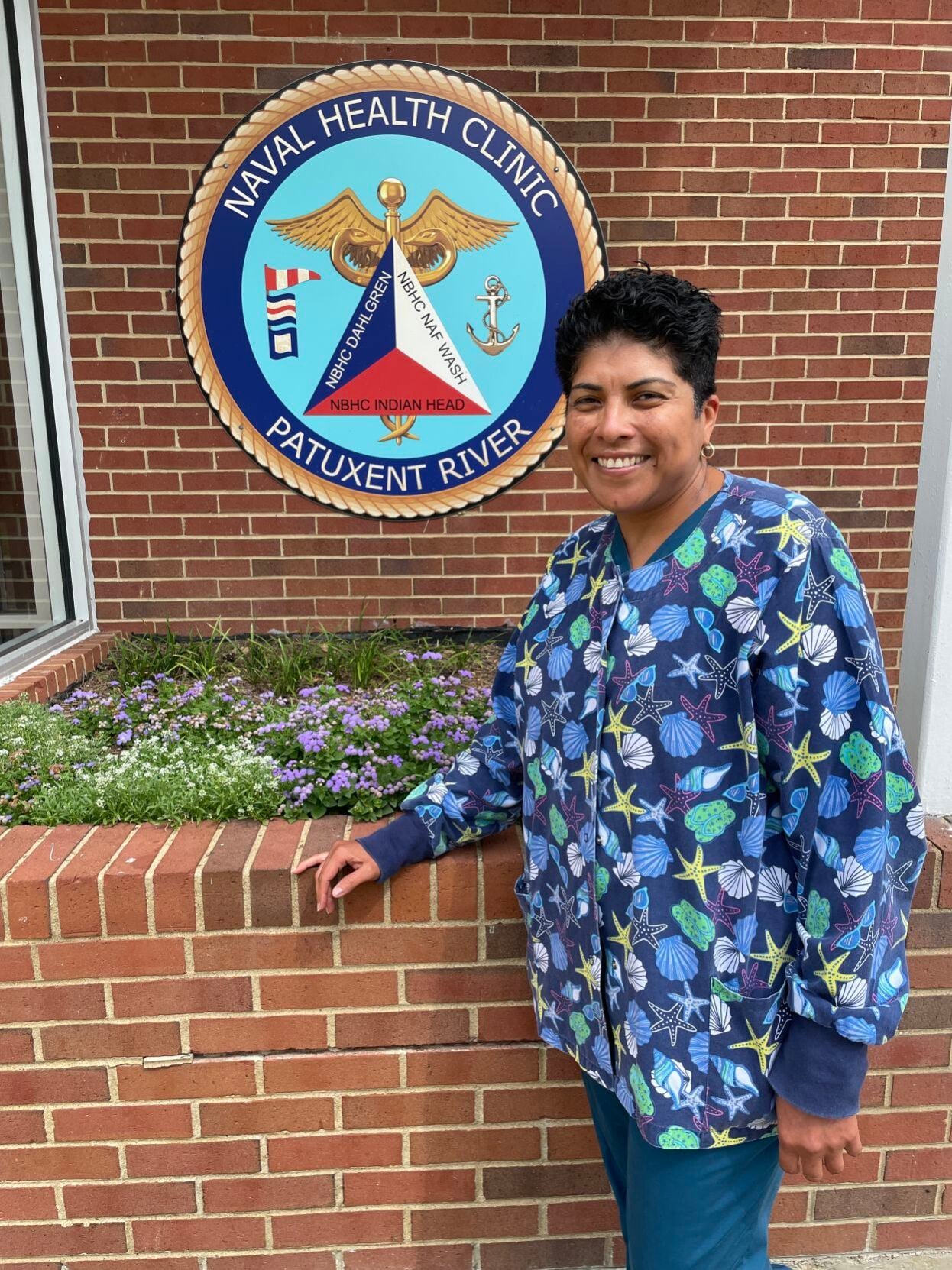
Pax health clinic nurse saves life on Southwest FlightLocalfeatured When Naval Health Clinic Patuxent River nurse Yulissa Brown participated in the clinic’s code blue drill on June 30, she had no idea how soon she would need her refreshed CPR skills.
By Kathy Hieatt
NHCPR Public Affairs Officer
1 Min Read
-
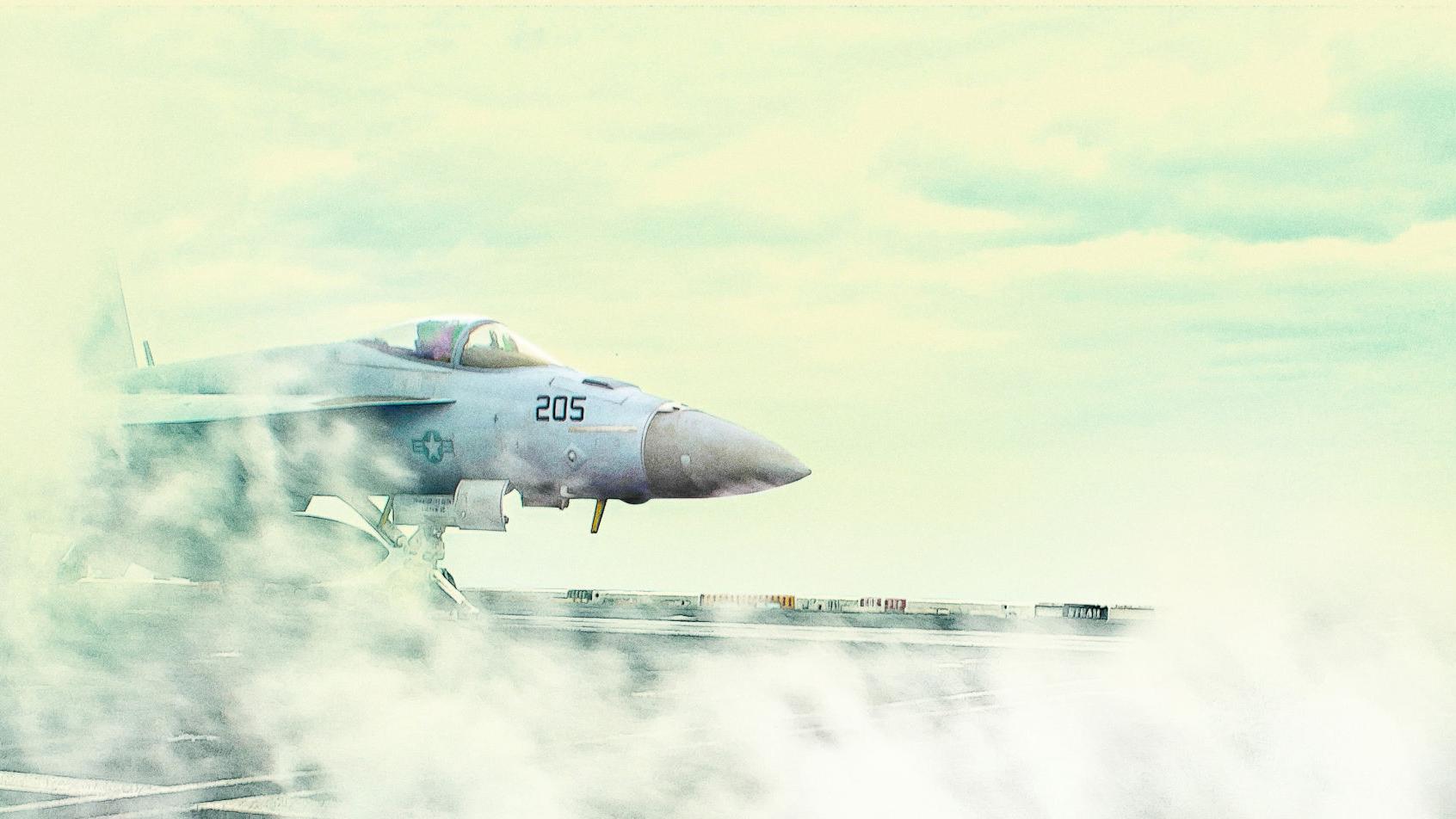
Physiological events: A Fighter pilot’s accountLocalfeatured Editor’s Note: A former Navy F/A-18 Hornet and Super Hornet pilot who is now a pilot with the Navy Reserve details their experience with physiological events (PEs), symptoms, likely causes, diagnosis and treatment as well as offering advice for fighter pilots.
From Naval Aviation News, Winter 2021
3 Min Read
-
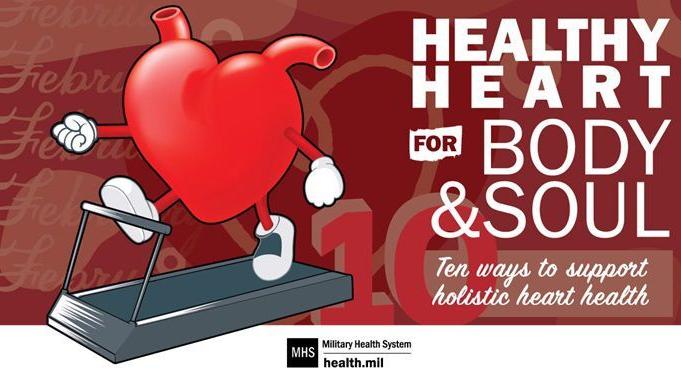
10 ways to support holistic heart healthLocalHeart disease has long been the No. 1 cause of death among adults in the United States. Research has shown that current and former service members are at greater risk for heart disease and heart attack than the civilian population as well.
From Military Health System
3 Min Read
-
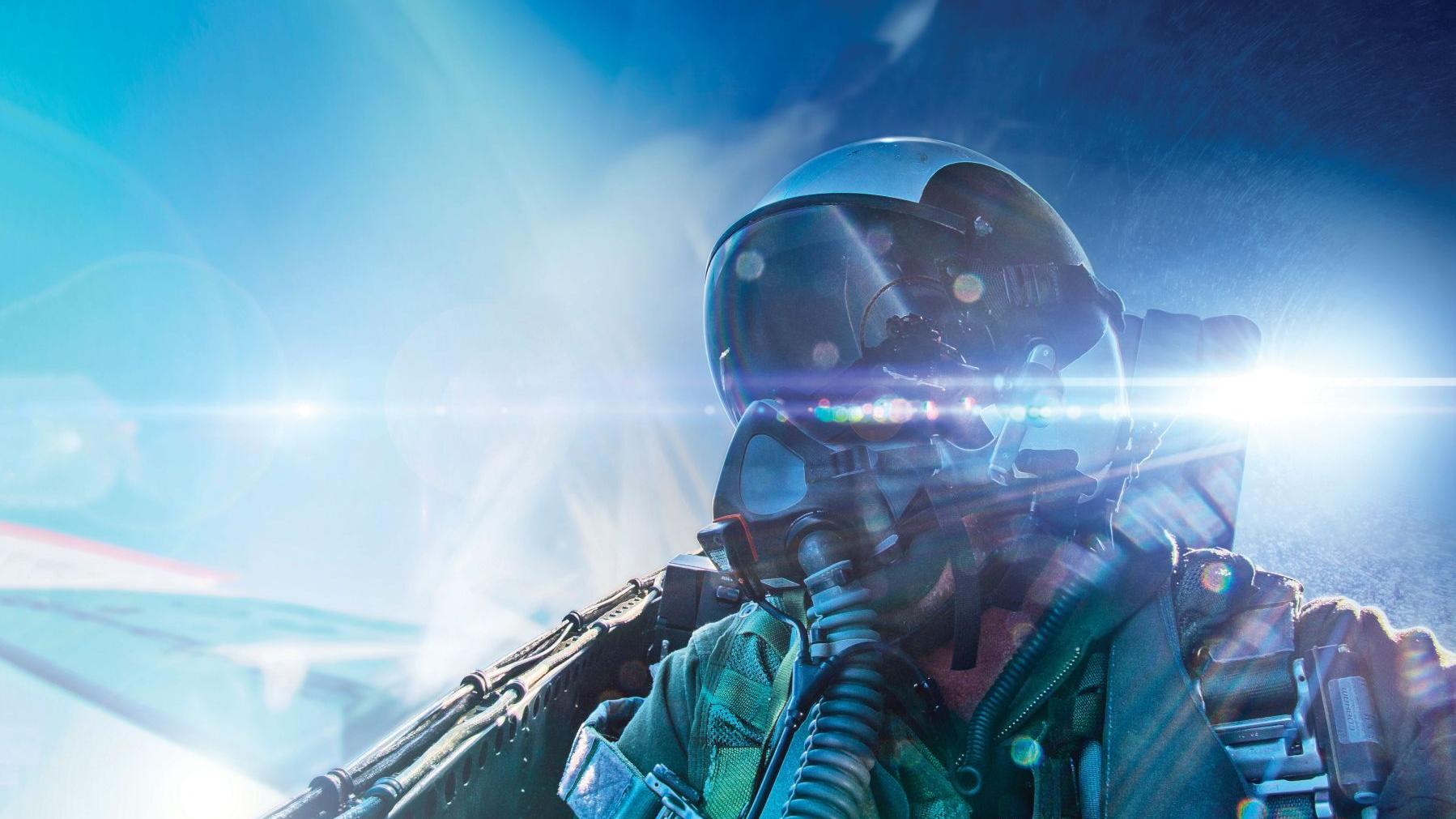
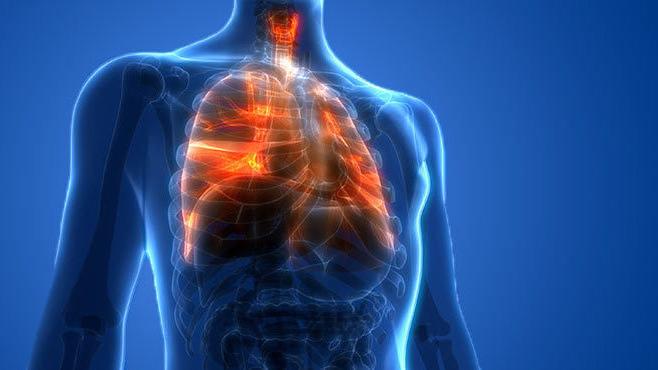
New operating procedures to mitigate physiological episodesLocalfeatured Naval Aviation’s operating instruction has been updated with information to help aviators not only mitigate but avoid physiological episodes—naval aviation’s No. 1 safety priority. Physiological episodes (PEs) occur when aircrew experience physiological symptoms such as dizziness or cognitive degradation which may impair their ability to perform cockpit duties. The Physiological Episodes Action Team (PEAT) has incorporated what they’ve learned in the “General Flight and Operating Instructions Manual CNAF M-3710.7” after extensive Root Cause Corrective Action (RCCA) analyses of aircraft systems and medical investigations since the PEAT’s inception in 2017. Vice Adm. DeWolfe Miller III, commander, Naval Air Forces, signed the overarching instruction Sept. 9 and it was released to the fleet Oct. 6, paving the way for updates to emergency procedures in the Naval Air Training and Operating Procedures Standardization (NATOPS) documents for the F/A-18 Hornet/Super Hornet and T-45 Goshawk, said Cmdr. Adrian Jope, PEAT lead. “The updates are designed to change mindsets and outline procedures to mitigate and prevent physiological episodes,” Jope said. Aviators rely on their specific platform NATOPS document for how to operate the aircraft, its systems and emergency procedures. “We have been sharing what we’ve learned with the fleet in ready rooms and auditoriums during our PE briefings, or PE TED Talks, but now they have an updated instruction in the newly revised CNAF 3710 in which to reference,” Jope said. Major additions to the CNAF 3710 and follow-on proposed changes to the individual platform NATOPS include improved mask usage guidelines, the introduction of strategic air breaks to improve respiratory capacity, updated emergency procedures, as well as enhanced explanations of the functionality of On-Board Oxygen Generating System (OBOGS) and Environmental Control System (ECS), Jope said. The new NATOPS procedures are expected to be released to the fleet in the coming months. “We’ve been told for a long time that we will wear our mask from takeoff to landing unless we needed to make subtle adjustments or move it aside to take a drink of water. Over the course of the last couple of years, we’ve learned that breathing with a mask for long periods of time can create physiological challenges, and if left unchecked can potentially lead to adverse physiological symptoms. As such, we have learned that by dropping the mask to take cleansing breaths at appropriate opportunities below 10,000 feet cabin altitude where hypoxia is not a concern, aircrew can help restore their normal physiological balance,” Jope said. The PEAT’s Aeromedical Action Team (AMAT) also found that existing training for aviators and medical professionals was not extensive enough, so more in-depth information was added to the physiology chapter in CNAF 3710, said Cmdr. Allen Hoffman, a naval flight surgeon who serves as the AMAT lead and Aerospace Medicine branch head with the U.S. Navy Bureau of Medicine and Surgery. For example, the new physiology chapter covers the effects of breathing high-concentration oxygen through the OBOGS. Studies found one of the negative effects of breathing 94-percent oxygen is that it can wash out the nitrogen in the lungs, which in turn deflates the lung’s alveoli in the bronchial tubes causing atelectasis, Hoffman said. To mitigate that effect in the cockpit, the updated instruction covers what the symptoms feel like and when to take a strategic air break to conduct controlled breathing cycles and reset the respiratory system. “We want to educate aviators on how their body naturally responds to the environment and environmental stressors just like you would when you run a marathon or you go weight lifting or you are in your car and another car almost sideswipes you—you are going to have a physiologic reaction. Those same reactions occur in the cockpit. The instruction educates them on which symptoms are significant and which ones they can mitigate in the cockpit and continue on their mission; that’s a win for everyone, and ultimately, improves operational readiness,” Hoffman said. As an action team, the PEAT initiated the instruction updates. Changes are usually generated by the fleet, but in this case, the update was generated by the PEAT and AMAT and socialized with Naval Aviation Enterprise leaders as well as the fleet and medical community before being finalized, Jope said. Working through the updates during the COVID-19 restrictions was also a challenge. Members of the PEAT worked tirelessly during the summer to meet virtually with subject matter experts from aerospace medicine along with Naval Air Systems Command engineers and fleet model managers to finalize the changes. More than 25 teleconferences and 500 man-hours were spent updating the CNAF 3710 and an additional 50 teleconferences and 1,500 man-hours were dedicated to the NATOPS changes, Jope said. Fleet aeromedical safety officers were briefed in August and started sharing the training updates with squadrons in October.
By Andrea Watters
Editor-in-Chief, Naval Aviation News
By Andrea Watters
Editor-in-Chief, Naval Aviation News
5 Min Read
-
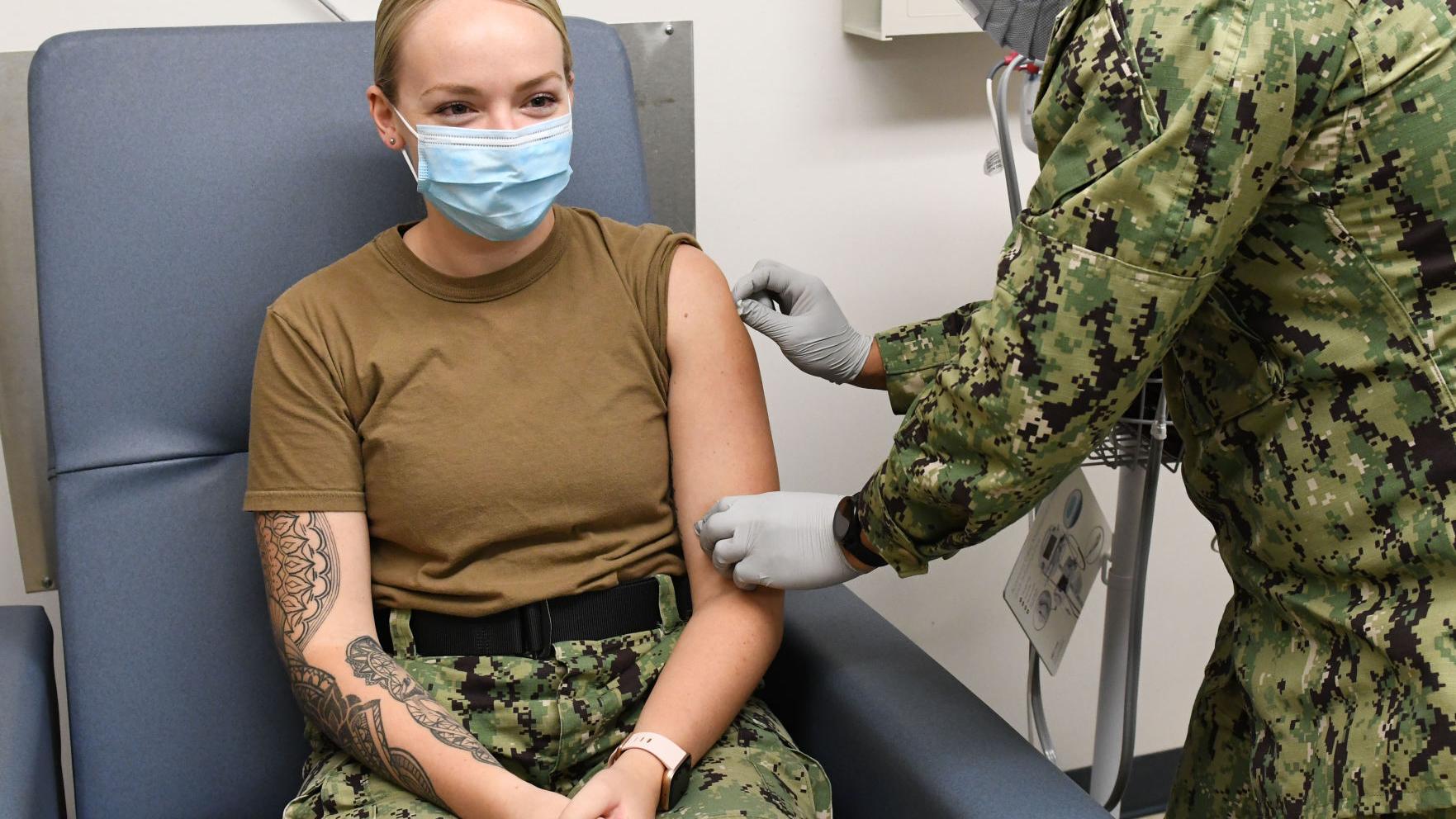
Flu vaccine essential during COVID-19 pandemicLocalFlu season is coming. In the United States, flu season usually starts in the fall and lasts through the winter. While influenza viruses circulate year-round, most flu activity peaks between December and February, but can last as late as May.
By Macy Hinds
Naval Health Clinic Hawaii
2 Min Read
-
Taking a bite out of rabies: What you should knowLocalfeatured Two incidents occurred recently onboard NAS Patuxent River involving dogs fighting with a groundhog that tested positive for rabies, prompting this reminder of what to do to help prevent coming in contact with the disease, and what to expect with post-exposure treatment.
By Donna Cipolloni
NAS Patuxent River Public Affairs
3 Min Read
-
Health officials, researchers unsure about long-term effects of e-cigarette productsLocalFor decades, health campaigns have showed the negative effects of smoking cigarettes, but when e-cigarettes were manufactured, some individuals started believing this was the way to a healthier smoking lifestyle — especially, toward quitting smoking. The recent vaping-related illnesses and deaths may have brought on the need for individuals to understand e-cigarettes.
By Katrina Wilson
Special to the Pentagram
6 Min Read
-
Many find relief, awareness through meditationImpactELKTON — With scientists touting the health benefits of mindful meditation these days, local author and spiritual coach Debbie Gill says that the true benefit is finding harmony between the mind and the body.
By Katie Tabeling
ktabeling@cecilwhig.com
3 Min Read
-
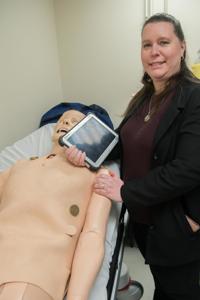
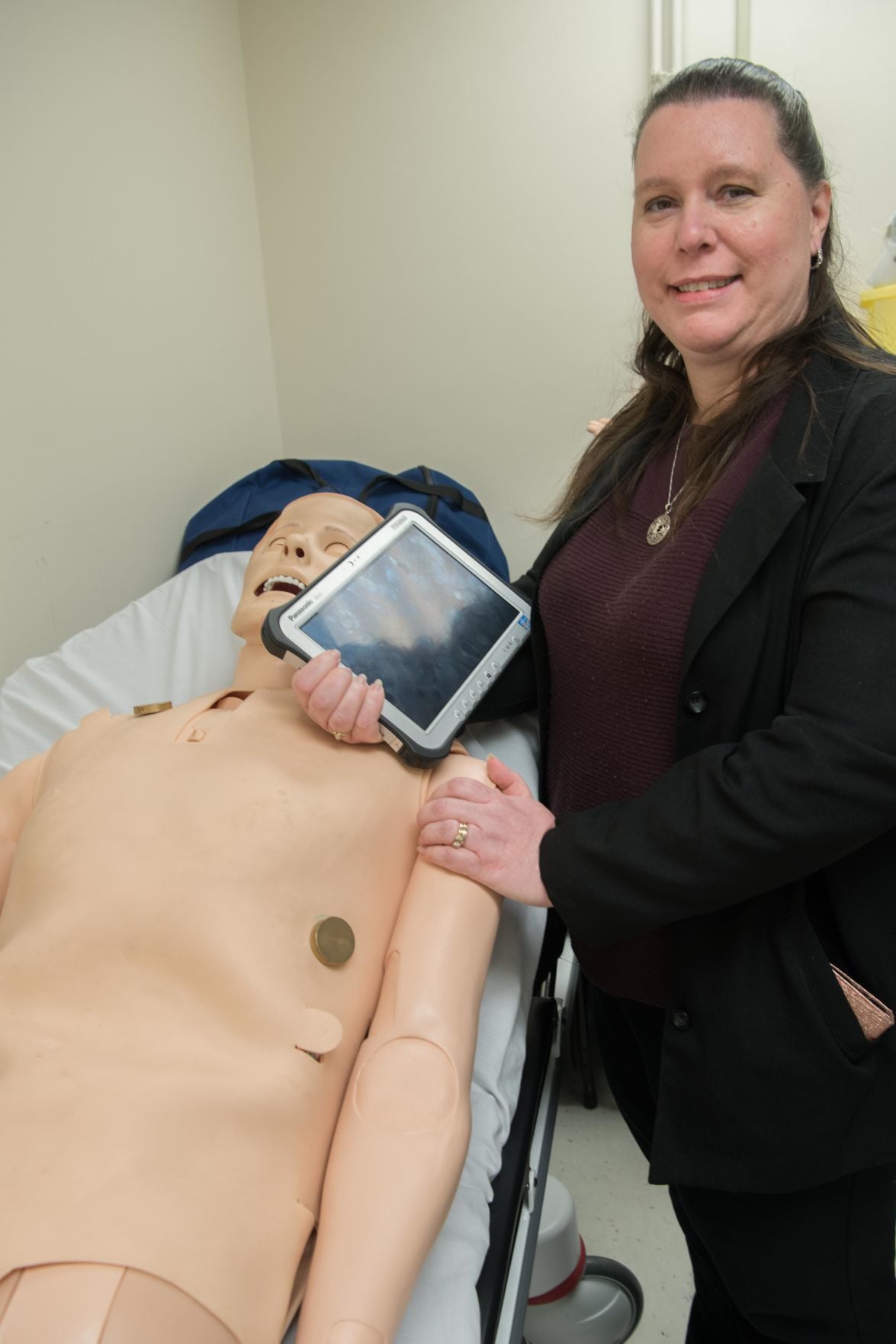
Programmable mannequin valuable teaching tool at Pax health clinicfeatured There is a particular “patient” at Naval Health Clinic Patuxent River (NHCPR) who never complains, no matter how many procedures medical corpsmen or nurses might practice on him. His name is SimMan.
By Donna Cipolloni
NAS Patuxent River Public Affairs
2 Min Read
-
Around TownRegional NewsBowles Farms Corn Maze & Pumpkin Farm
1 Min Read