Search
Filter Search
-
Lyme Disease and Ticks: What You Need to KnowArchiveWith warmer weather approaching, people get more active in the great outdoors; hiking, biking, walking and doing other “fun-in-the sun” activities.
By Maj. Katina Foxworth
Barquist Army Health Clinic
2 Min Read
-
Zika virus precautions for travelers, partnersArchiveThe World Health Organization declared a Public Health Emergency in February due to a suspected linkage between the Zika virus and a spike in infant neurological disorders.
By CDC and U.S. Army
Public Health Command
Special to The Standard
1 Min Read
-
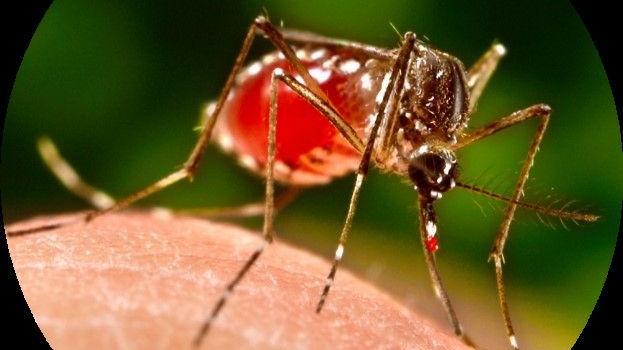
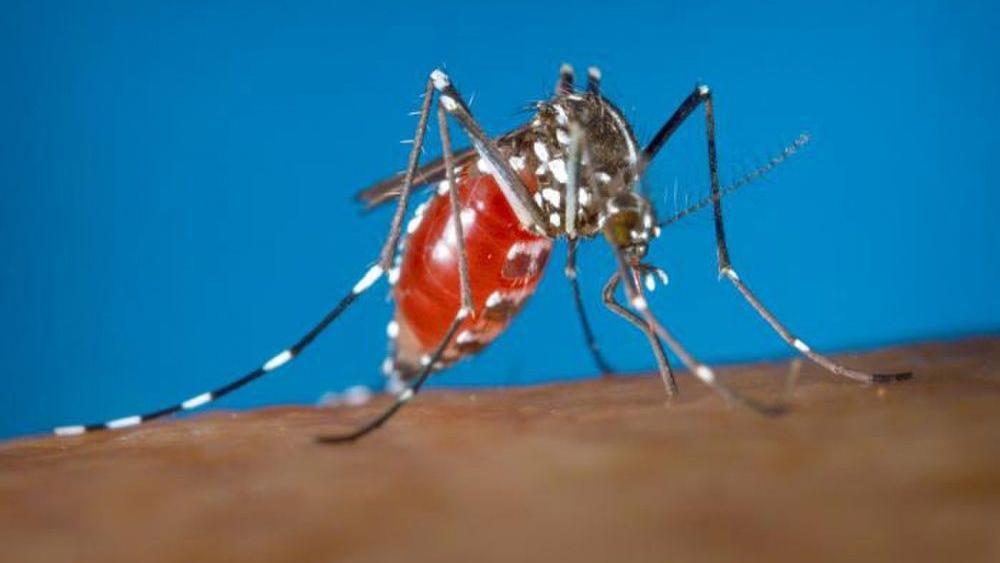
Fort Detrick Prepares for Zika VirusArchivefeatured Unfortunately, Mosquito-borne diseases are not a new problem; with mosquitoes causing more human suffering than any other organism. It estimated that over one million people worldwide die from mosquito-borne diseases every year, and the number of people infected with mosquito-borne diseases (e.g., malaria, bacteria and viruses) is many folds greater. In 1901, Dr. Walter Reed came to national prominence when he determined that Yellow Fever was spread by a mosquito (Aedes aegypti). Nearly a century later, it was the West Nile virus, another mosquito-borne disease that was making the news. This year, concerns about the Zika virus are making headlines, especially now that the Olympics are soon to begin in Brazil. In the Maryland area, the mosquito commonly called the Asia Tiger mosquito (Aedes albopictus), a primarily day-biting species, is the most likely vector for this arbo-virus.
By Bob Craig
USAG Environmental Management Division
3 Min Read
-
Navy Medicine issues Zika Virus Infection guidanceRegional NewsNavy Medicine released Zika Virus Infection guidance in NAVADMIN 032/16, Feb. 10, communicating force health protection measures and travel precautions to Navy and Marine Corps personnel. “Our first priority is to ensure we offer the best possible care to any Navy Medicine patient in the safest way possible,” said Cmdr. Eric Deussing, head, U.S. Navy Bureau of Medicine and Surgery (BUMED) public health, emergency preparedness and response.
From U.S. Navy Bureau of Medicine and Surgery Public Affairs
2 Min Read
-
#FlasbackFriday Influenza Kills Tens of Millions, Get VaccinatedArchiveAlmost a century ago, World War I raged across the globe with more than 17 million Service Members killed and 20 million wounded. Cities and nations were devastated during the war with disease, including an influenza epidemic, spreading quickly.
By Nick Minecci USAG Public Affairs
<1 Min Read
-
USAMRMC “Infects” Fairgoers in Virtual Virus Epidemic GameArchiveMembers of the U.S. Army Medical Research and Materiel Command’s Strategic Partnerships Office spent Sept. 23 at the Great Frederick Fair telling fairgoers about the command’s mission. The SPO also showed attendees why the work conducted at the USAMRMC is important not only to members of the military, but to them and their families as well by “infecting” them with a virus during a virtual virus epidemic game.
Crystal Maynard
USAMRMC Public Affairs
1 Min Read
-
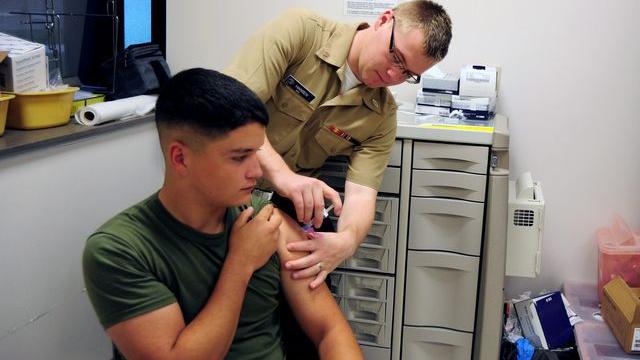
Flu season is coming: CDC recommends getting vaccinated by OctoberRegional NewsColder weather is just around the corner; unfortunately, so is flu season, and the CDC recommends a yearly flu vaccine for everyone 6 months of age and older.
By Donna Cipolloni
NAS Patuxent River Public Affairs
<1 Min Read
-
Worlds toughest microbe helps USU scientistsArchiveScientists at the Uniformed Services University of the Health Sciences (USU) have discovered a new way to render a microbe non-infectious while preserving its immune system-boosting properties after exposure to gamma radiation.
By Helen Hocknell, NSAB Public Affairs staff writer
2 Min Read
-
World's toughest microbe helps USU scientistsFeaturesScientists at the Uniformed Services University of the Health Sciences (USU) have discovered a new way to render a microbe non-infectious while preserving its immune system-boosting properties after exposure to gamma radiation.
By Helen Hocknell NSAB Public Affairs staff writer
2 Min Read
-
Flu Awareness Tips, for Home and WorkArchiveThe flu season is unpredictable and epidemics of the virus occur every year. According to The Center for Disease and Control (CDC), the virus is thought to spread by human interaction and the best way to control it is by getting vaccinated.
By MC2 Kiona Miller, NDW Public Affairs
2 Min Read