Search
Filter Search
-
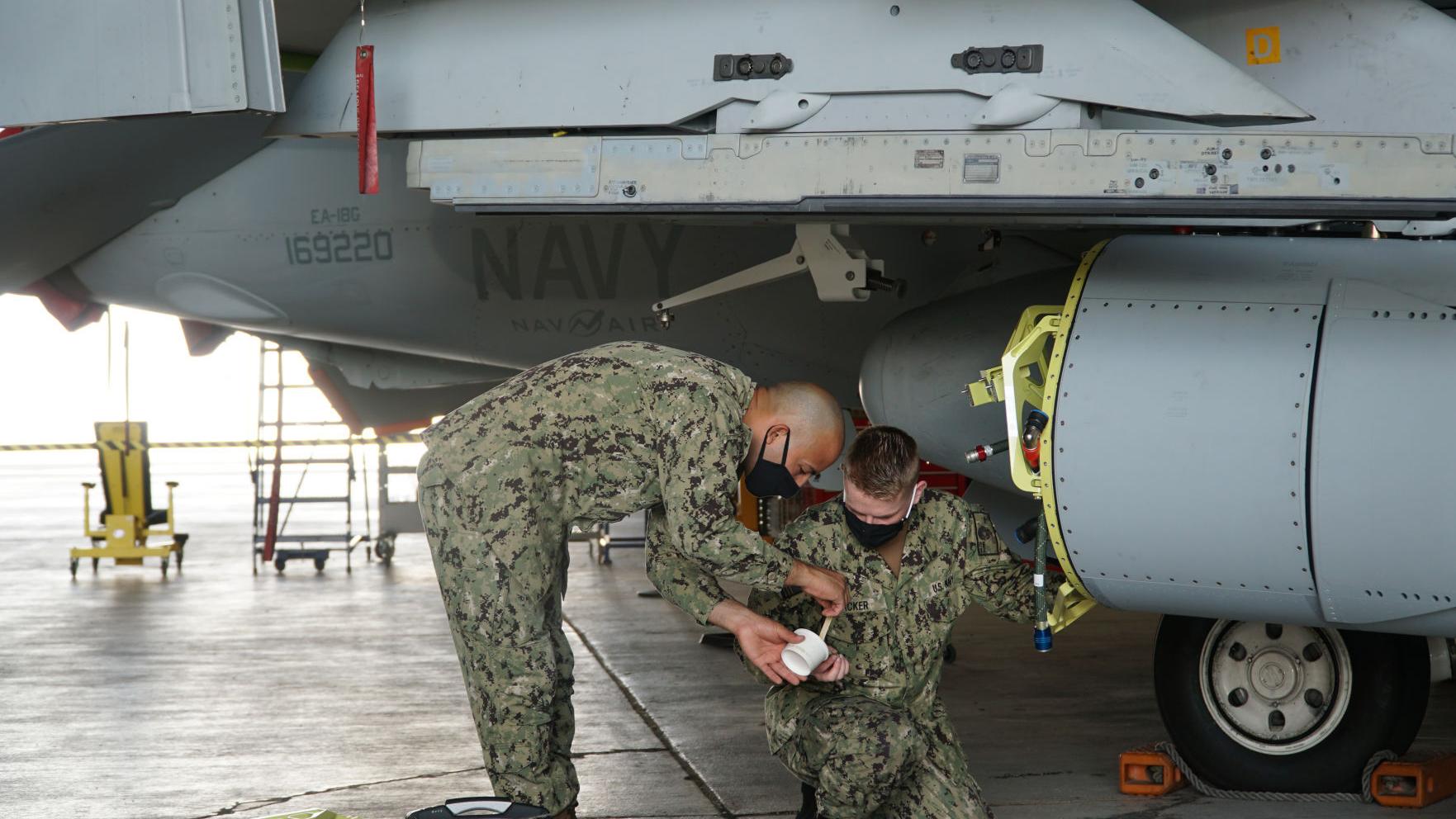
PMA-265 pioneers aircraft affordability and availability methodsRegional Newsfeatured The data speaks for itself. Using several innovative technologies in the data analytics realm, the F/A-18 and EA-18G program office (PMA-265) sees significant improvement in the affordability and availability of fleet aircraft.
By Erin Magnum
PMA-265 Communications Support
1 Min Read
-
Pax River Gate 1 closed for repairsRegional Newsfeatured NAS Patuxent River will close Gate 1 on Thursday, Nov. 18 at 9 a.m. through Sunday, Nov. 21 for required maintenance.
<1 Min Read
-
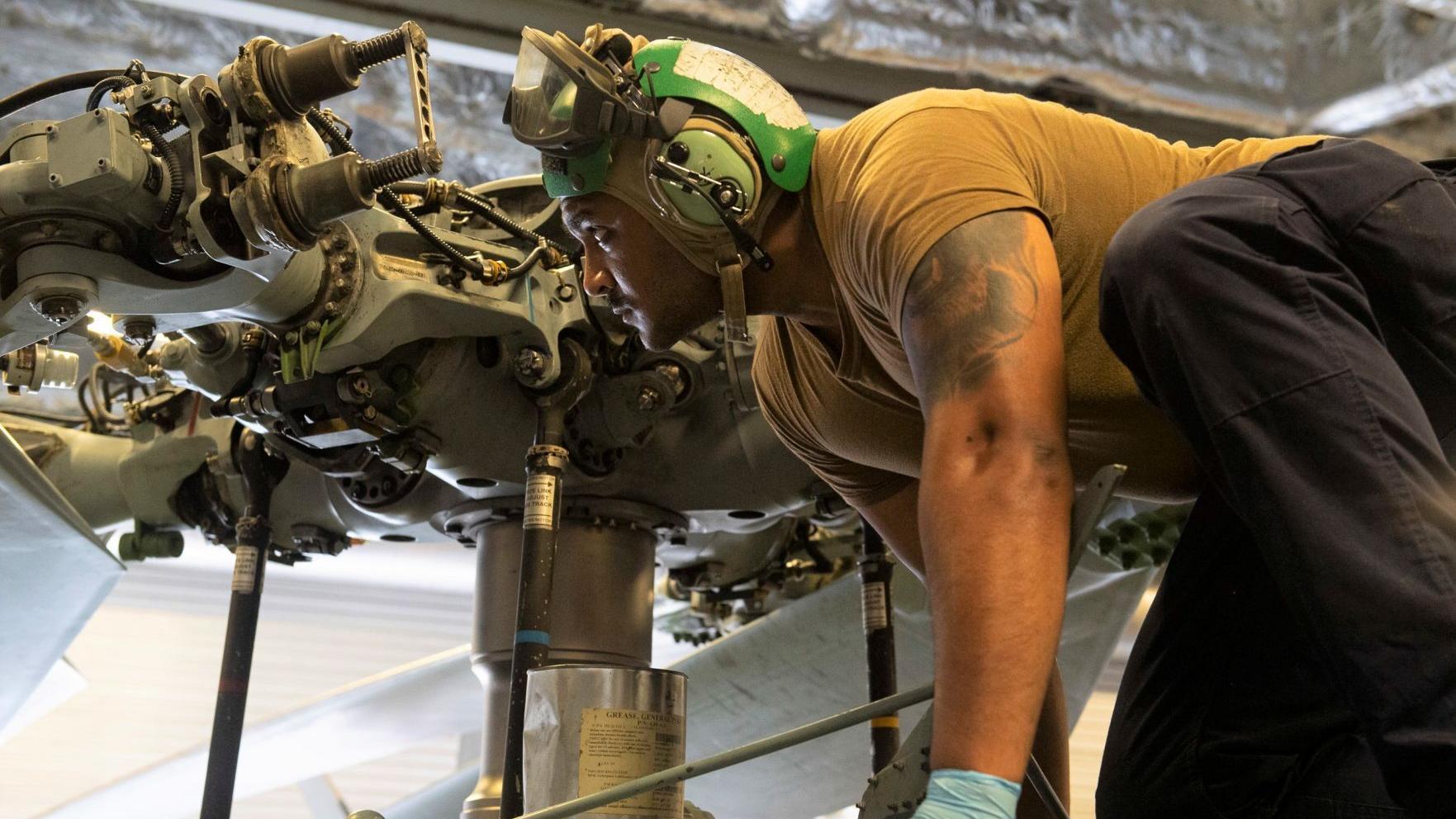
H-60 Program achieves Readiness goals, lowers costsRegional Newsfeatured The H-60 Multi-Mission Helicopters Program Office (PMA-299) recently met its mission capable (MC) goal entirely within its own organic lifelines. The accomplishment was achieved through the PMA’s organic implementation of Naval Sustainment System-Aviation (NSS-A), its Readiness Control Board (RCB) process and a laser-focused commitment to its fleet counterparts. The program’s readiness efforts, reliance on data-driven decision making and collaboration with fleet and industry partners have all led to a downward trend in NAVSUP’s long standing Seahawk Performance-Based Logistics (PBL) Aviation Depot Level Repairable (AVDLR) costs, or the cost of repairable aircraft parts, over the last five years.
By Paul Gainey
Naval Aviation Enterprise Communications Specialist
3 Min Read
-
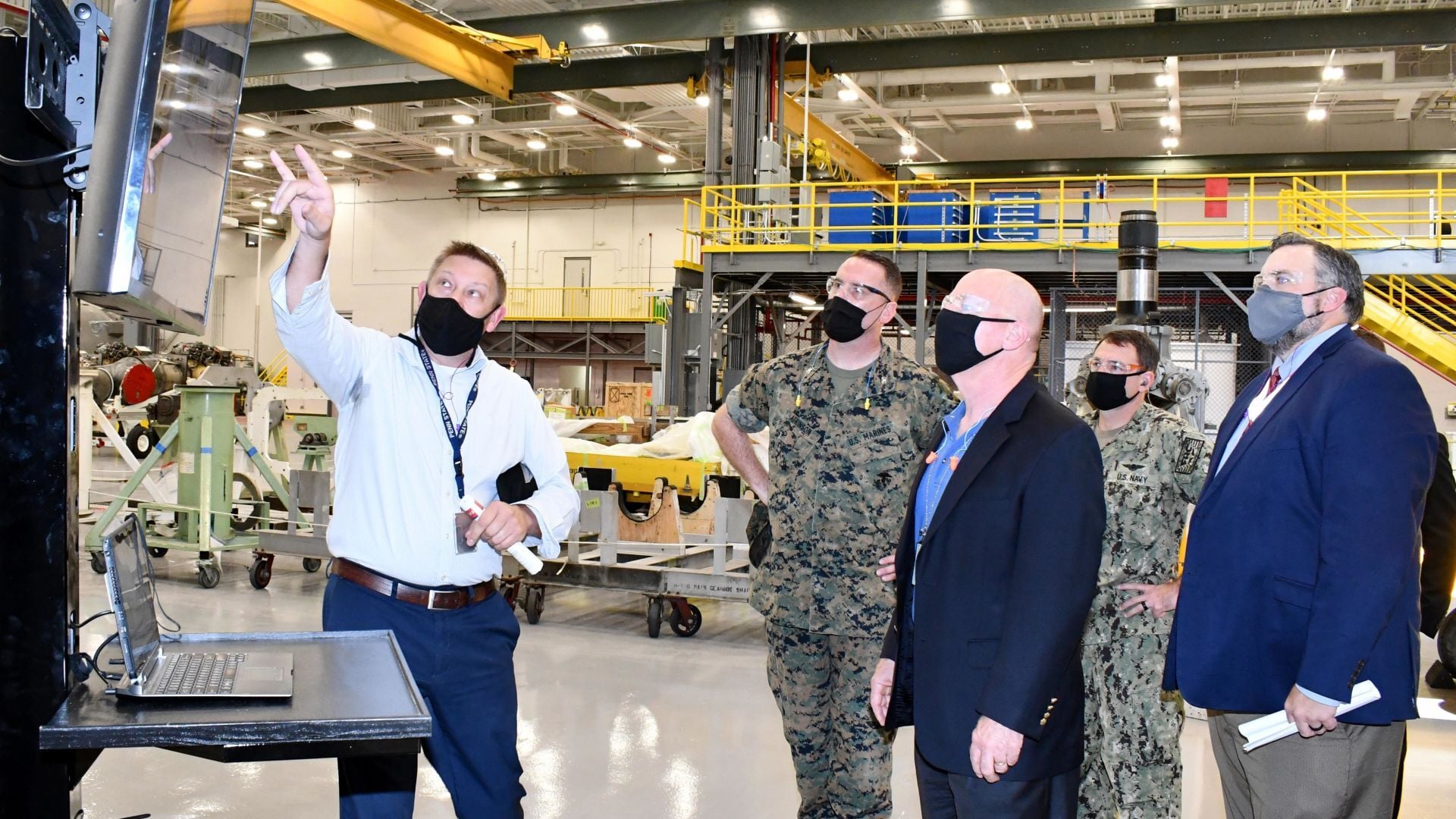
FRCE hosts Navy official, with eye on modernizationRegional Newsfeatured Fleet Readiness Center East (FRCE) hosted an Oct. 5 visit from the deputy assistant secretary of the Navy office responsible for the construction and maintenance of installations.
From NAVAIR News
2 Min Read
-
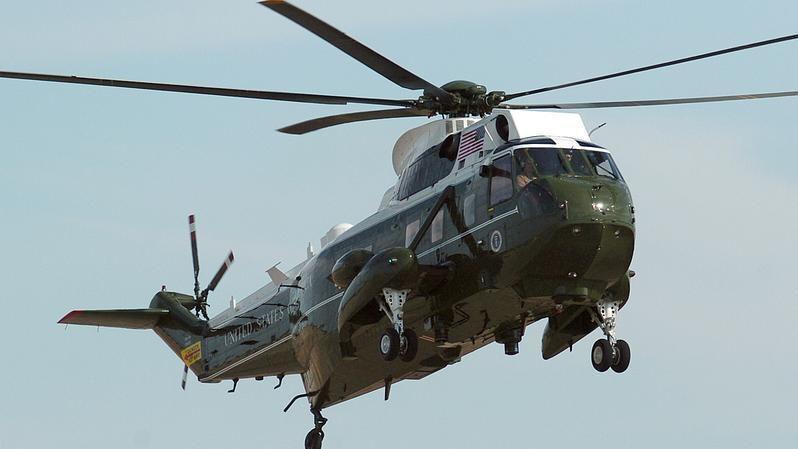
New year, new chapter in FRCE support to Presidential Helicopter ProgramRegional Newsfeatured Fleet Readiness Center East (FRCE) marked the end of an era when artisans recently boxed up the last T58-GE-400B presidential helicopter engine and shipped it out to the Marines who provide safe and timely transportation of the President of the United States.
From NAVAIR News
2 Min Read
-
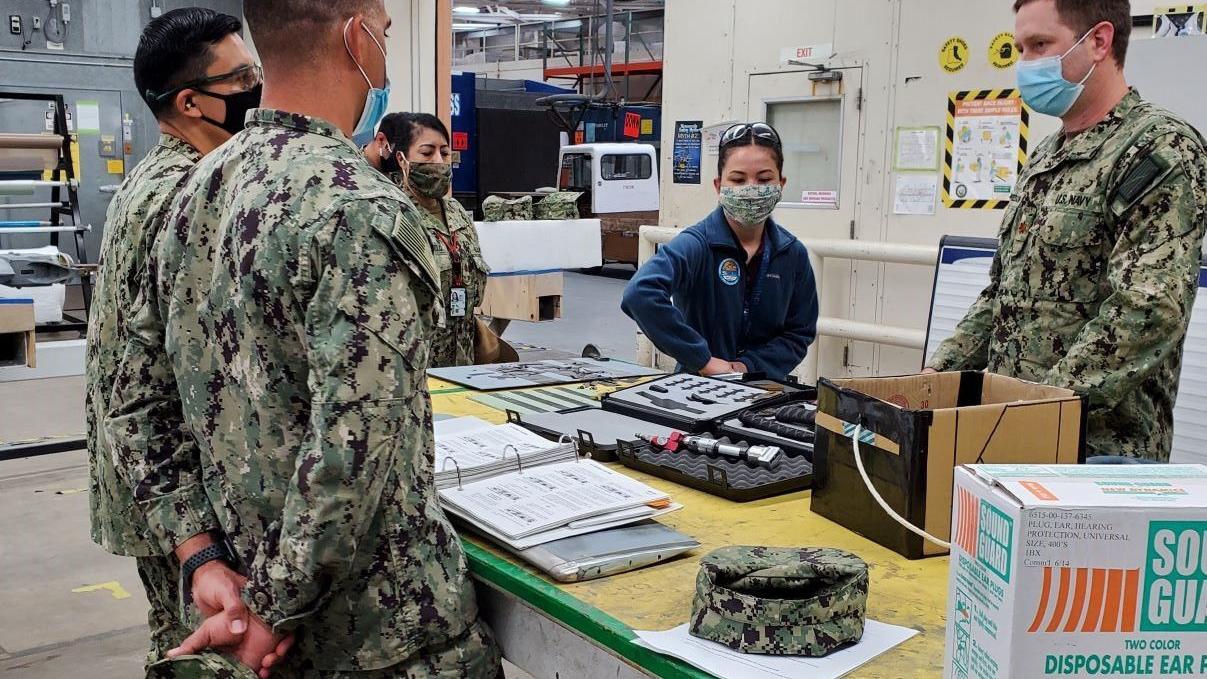
Sailors put new jammer maintenance plans to the testRegional Newsfeatured U.S. Navy Sailors recently tested the validity of the Next Generation Jammer Mid-Band (NGJ-MB) capability’s maintenance plans and technical manuals during a recent logistics demonstration at NAS Patuxent River.
By Kristine Wilcox
PMA-234 Communications
1 Min Read
-
Naval Reservists valuable asset in the war against corrosionRegional Newsfeatured The Maintenance Return-on-investment Data Analysis (MRDA) mission area supports Naval Aviation Enterprise (NAE) Corrosion Management Board (CMB) initiatives aimed at attacking systemic corrosion problems. The 2019 LMI DoD Cost of Corrosion Report states corrosion maintenance repair costs for all Navy and Marine Corps aircraft systems are approximately $3.7 billion annually, with two-thirds of those costs in preventive tasks designed to avoid corrosion consequences. CMB initiatives identify and target systemic issues and implement corrosion mitigation processes throughout the NAE.
By Cmdr. Noreen Kirby
NR-RRD MRDA Mission Lead
1 Min Read
-
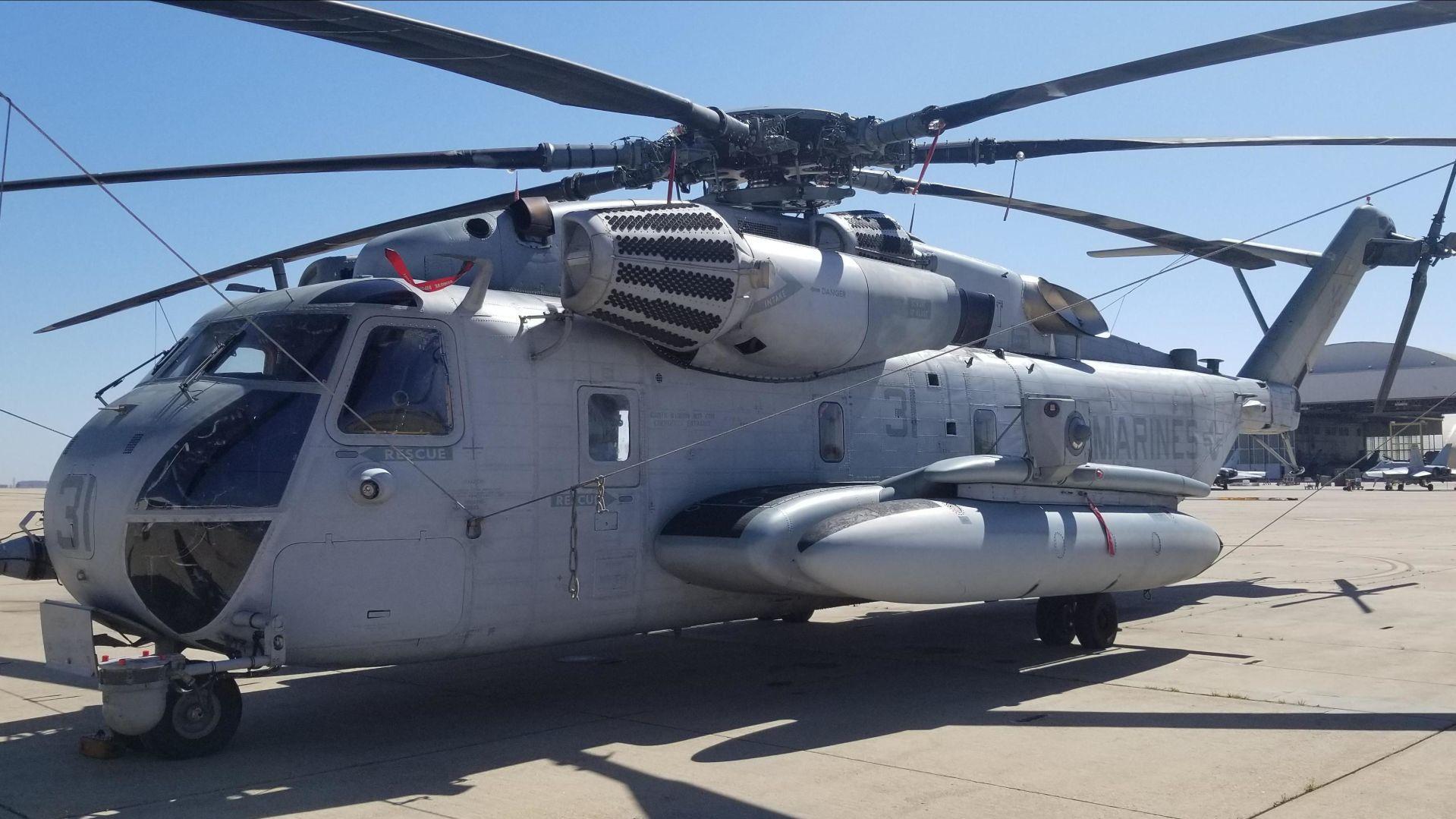
Marines complete CH-53E maintenance overhaul, increasing fleet readinessfeatured Four CH-53E Super Stallion aircraft recently completed an extensive maintenance process, known as RESET, allowing for additional aircraft to return to the fleet.
By Victoria Falcon
PMA-261 Communications
1 Min Read
-
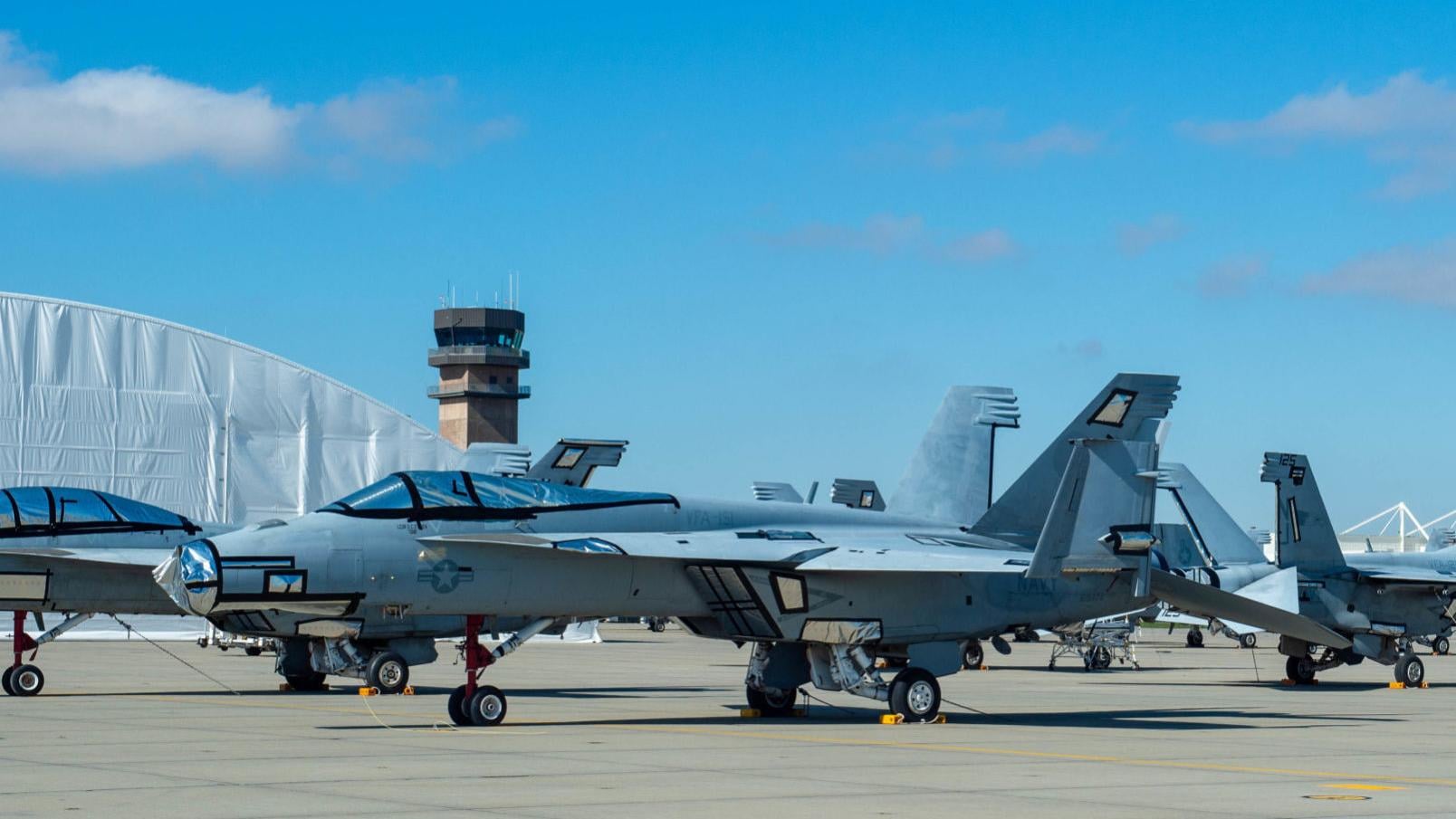
Rebuilding Super Hornet Fleet; NAMCE Helps Improve ReadinessOn the Naval Air Station Lemoore flight line, aircraft awaiting maintenance are covered in protective barrier paper to prevent corrosion and environmental damage.
U.S. Navy photo by MC2 Manuel Tiscareno
-
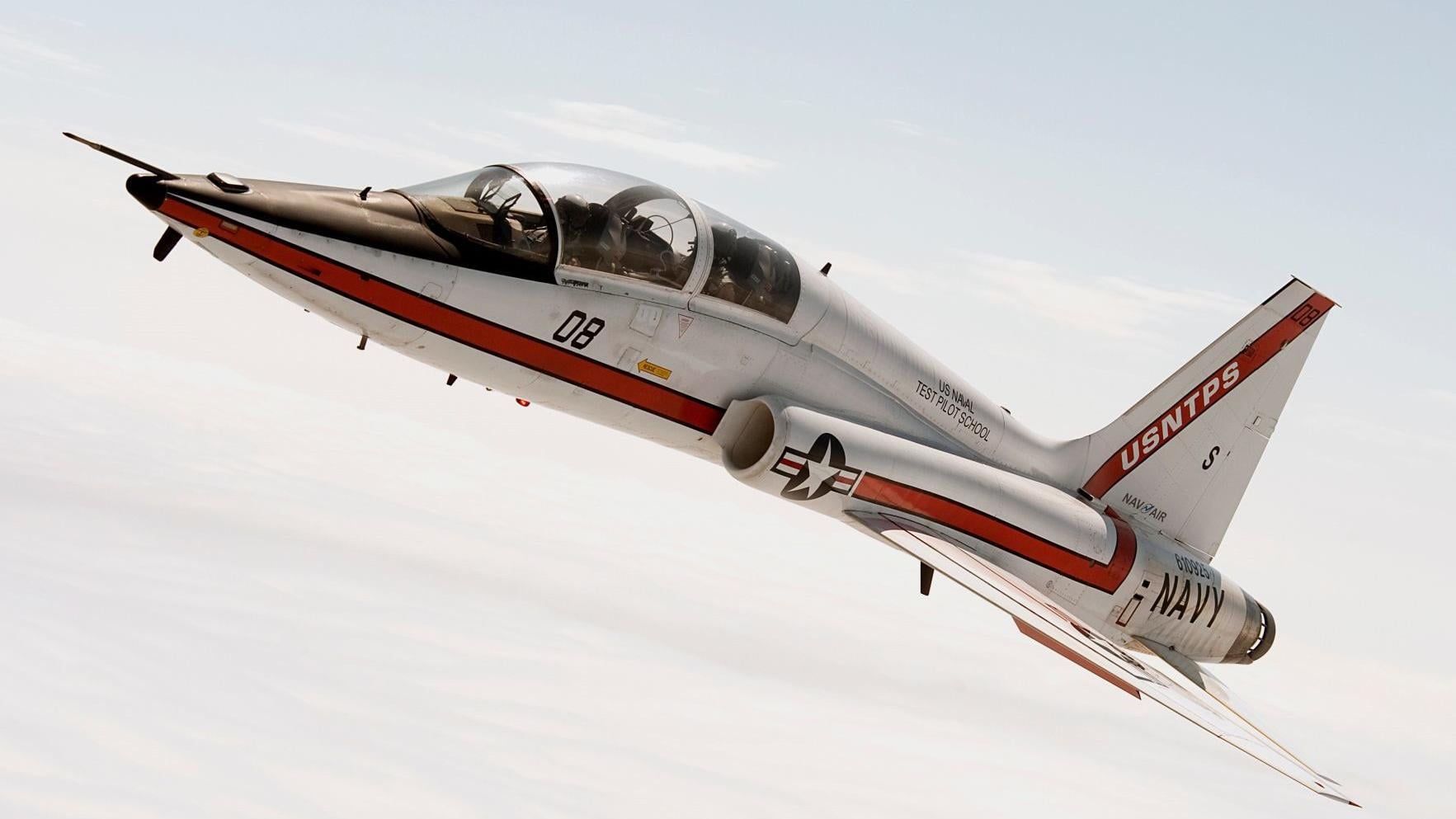
Test kit to save Navy, Air Force, NASA $207 millionRegional Newsfeatured Northrop Grumman’s T-38 Talon, the world’s first supersonic jet trainer, has been a mainstay in pilot training since the 1960s. The United States Naval Test Pilot School (USNTPS) is the Navy’s principal operator of the twin-engined Talon; its fleet of 10 aircraft flies an average of 1,100 hours per year, providing students with valuable experience evaluating transonic and supersonic flight characteristics. However, over the past 20 years the nation’s T-38 fleet has developed a chronic problem with inconsistent exhaust gas temperatures, or EGT. Grounding T-38s to track down the source of high, low, erratic, and fluctuating EGT costs the Navy — as well as the U.S. Air Force and NASA, which also operate them — tens of millions of dollars every year. But what was the cause?
By CPO Robert Caperton, CPO Edwin Centraccio, and CPO Jose Betancourtcantu
U.S. Naval Test Pilot School
2 Min Read