Search
Filter Search
-
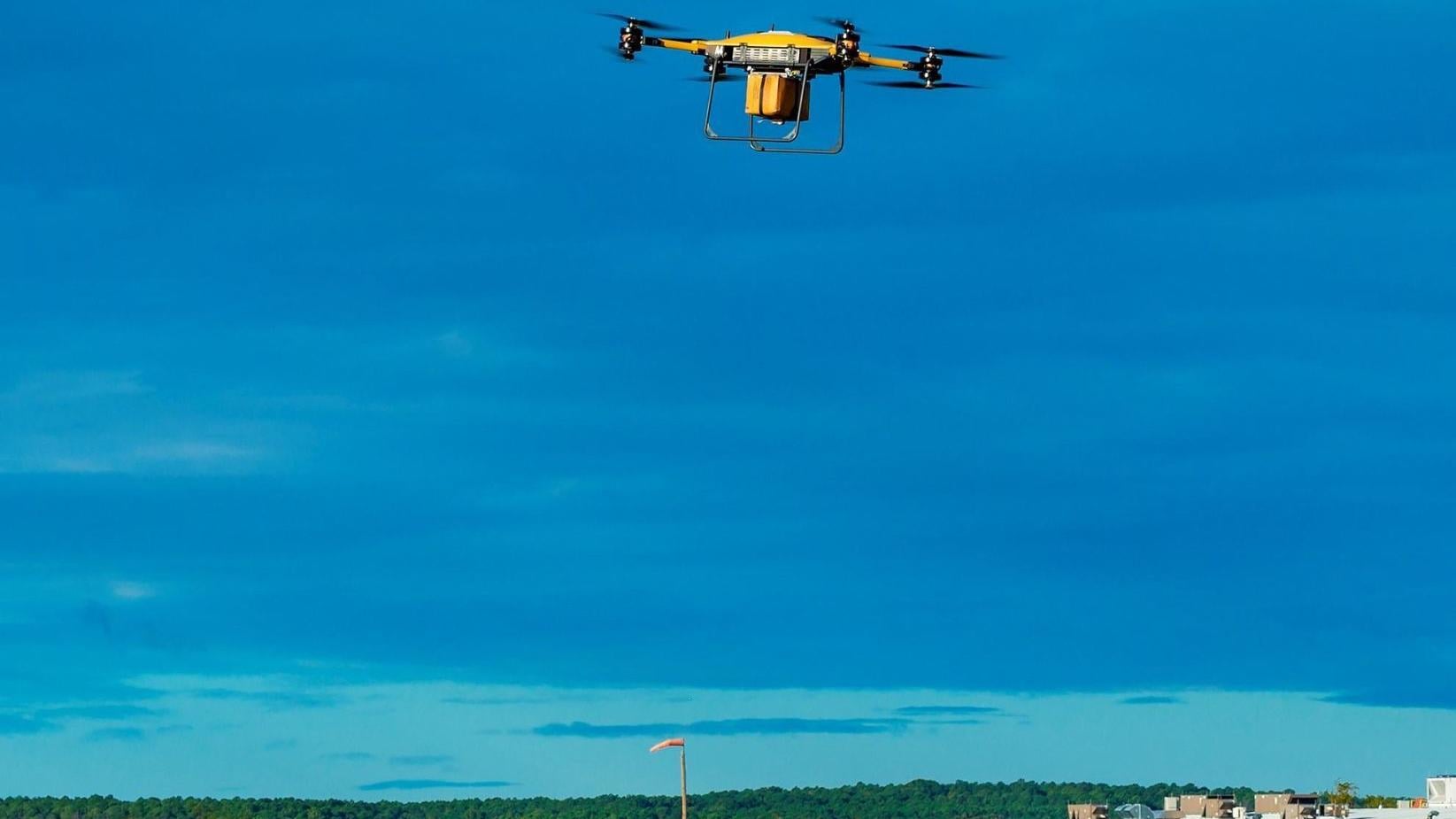
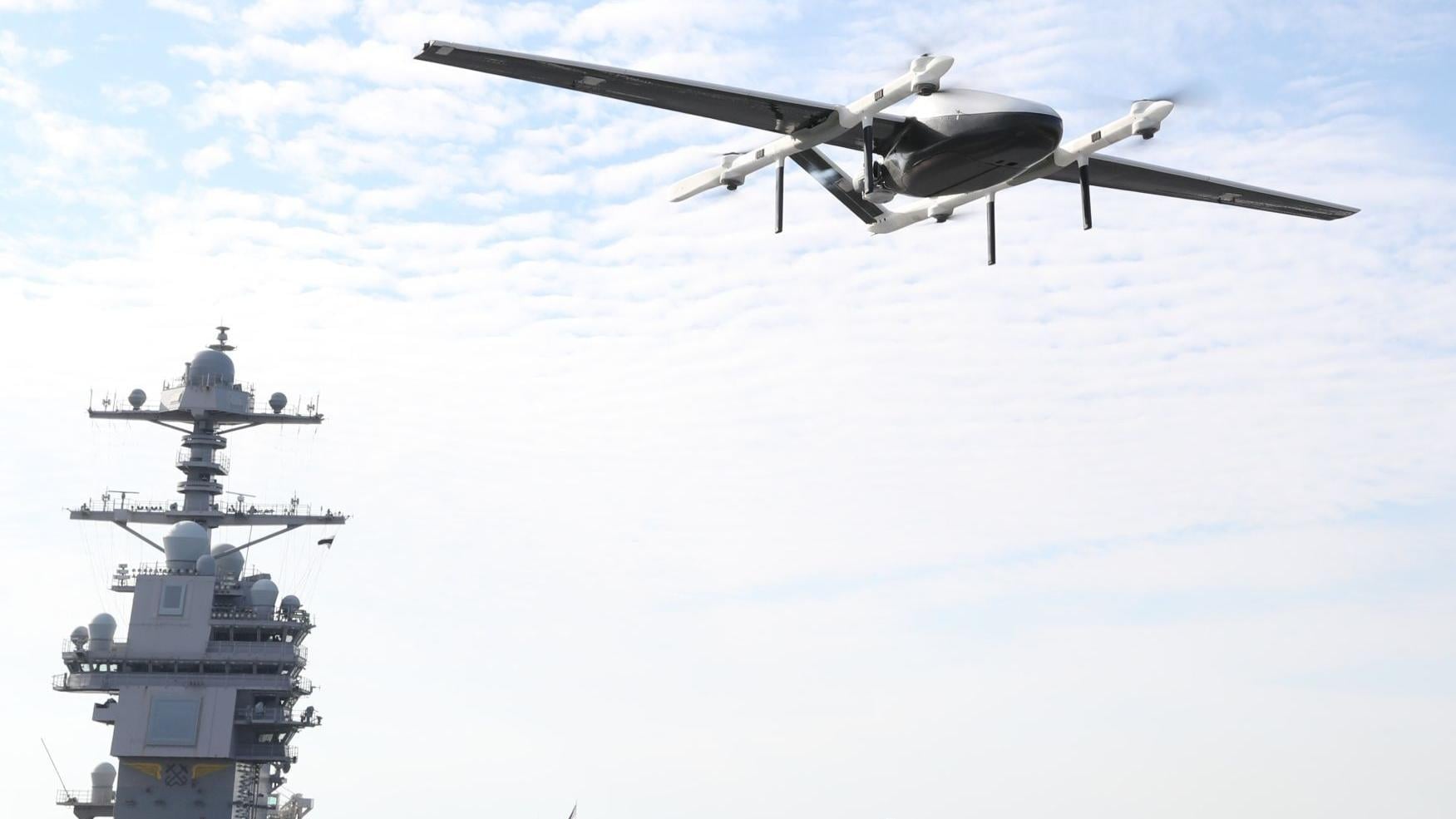
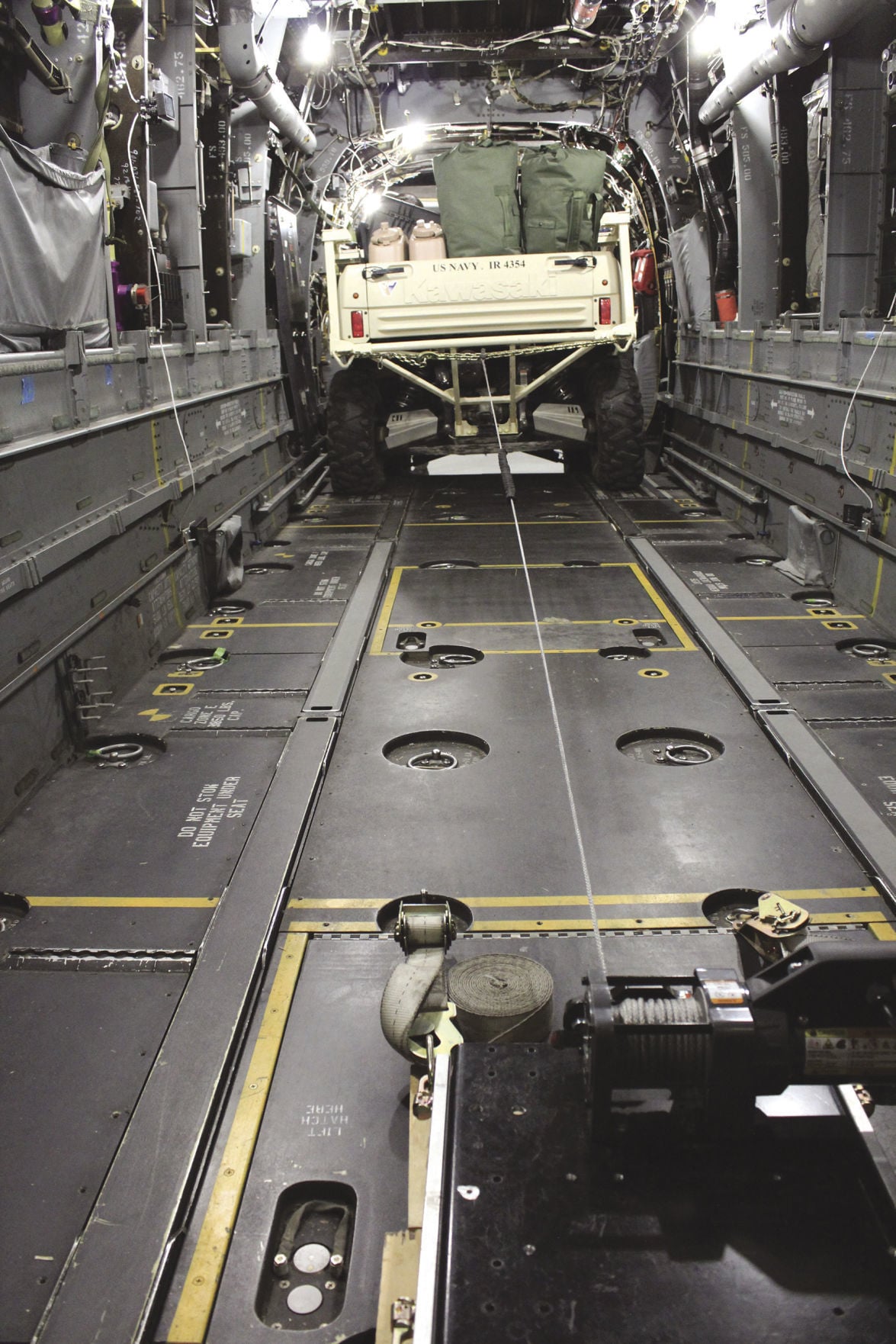
Navy UAS demo displays potential for future cargo resupplyRegional Newsfeatured The Navy and Marine Corps may soon have a way to resupply warfighters on the front line using unmanned systems capable of delivering necessary supplies from a distance in a variety of scenarios.
By PEO (U&W) Public Affairs
2 Min Read
-
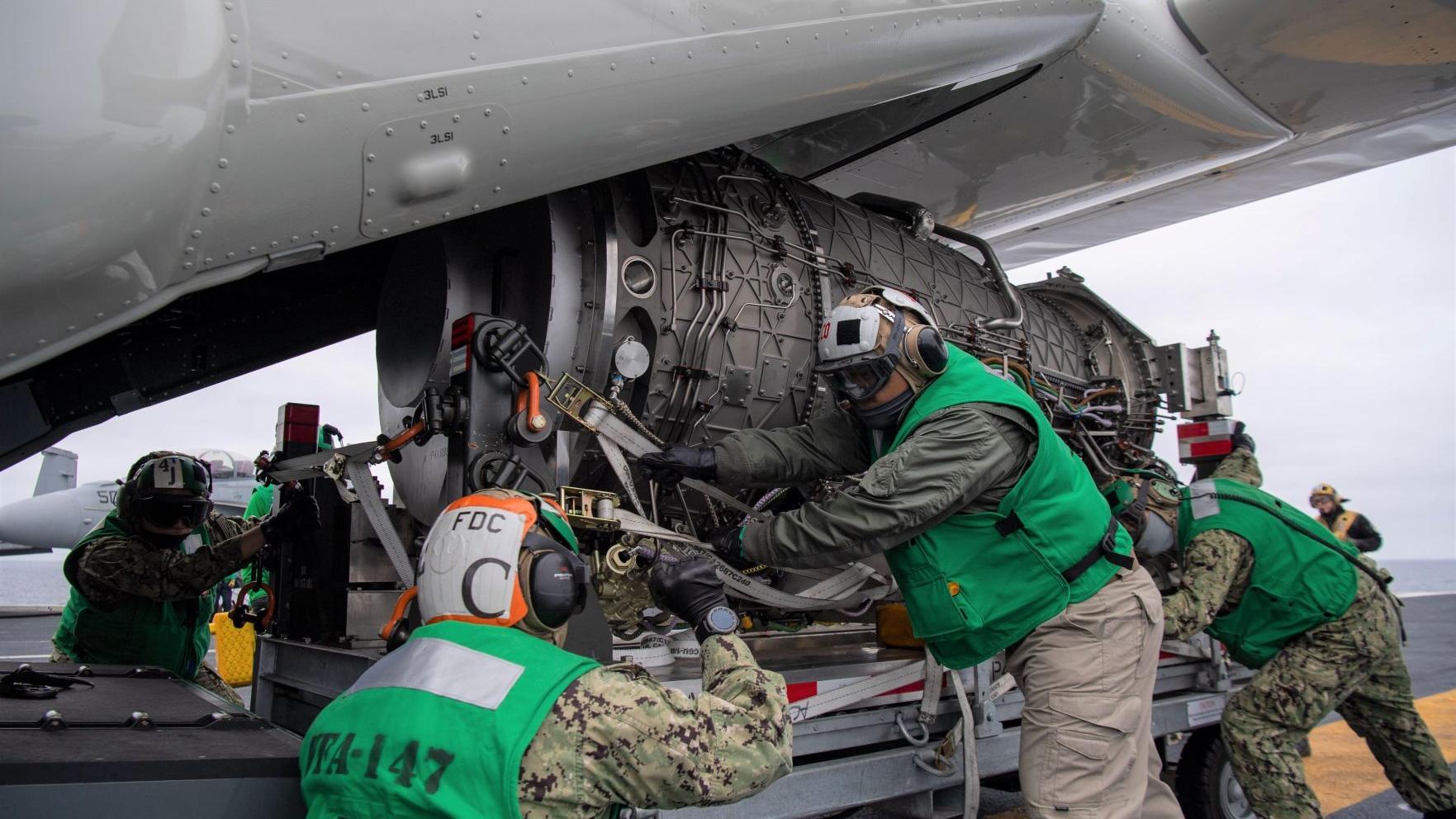
US Navy conducts first at-sea power module replenishmentRegional Newsfeatured The “Titans” of Fleet Logistics Multi-Mission Squadron (VRM) 30 and members of Carrier Air Wing (CVW) 2 successfully delivered an F-35C power module aboard USS Carl Vinson (CVN 70) in the U. S. Navy’s first, at-sea replenishment for this component.
From NAVAIR News
2 Min Read
-
Naval Air Warfare Center Aircraft Division demonstrates UAS prototypeRegional NewsNaval Air Force Atlantic conducted a test of a logistics Unmanned Air System prototype over Naval Station Norfolk on Feb. 21. The long-range cargo transport, dubbed Blue Water UAS, is designed to operate with Naval Forces that typically operate in heavy winds over open water and require aircraft to land on pitching vessels at sea. The technology demonstrator vehicle can operate in some of these conditions and further development will be required to meet the full naval requirement.
From Commander, Naval Air Force Atlantic Public Affairs
2 Min Read
-
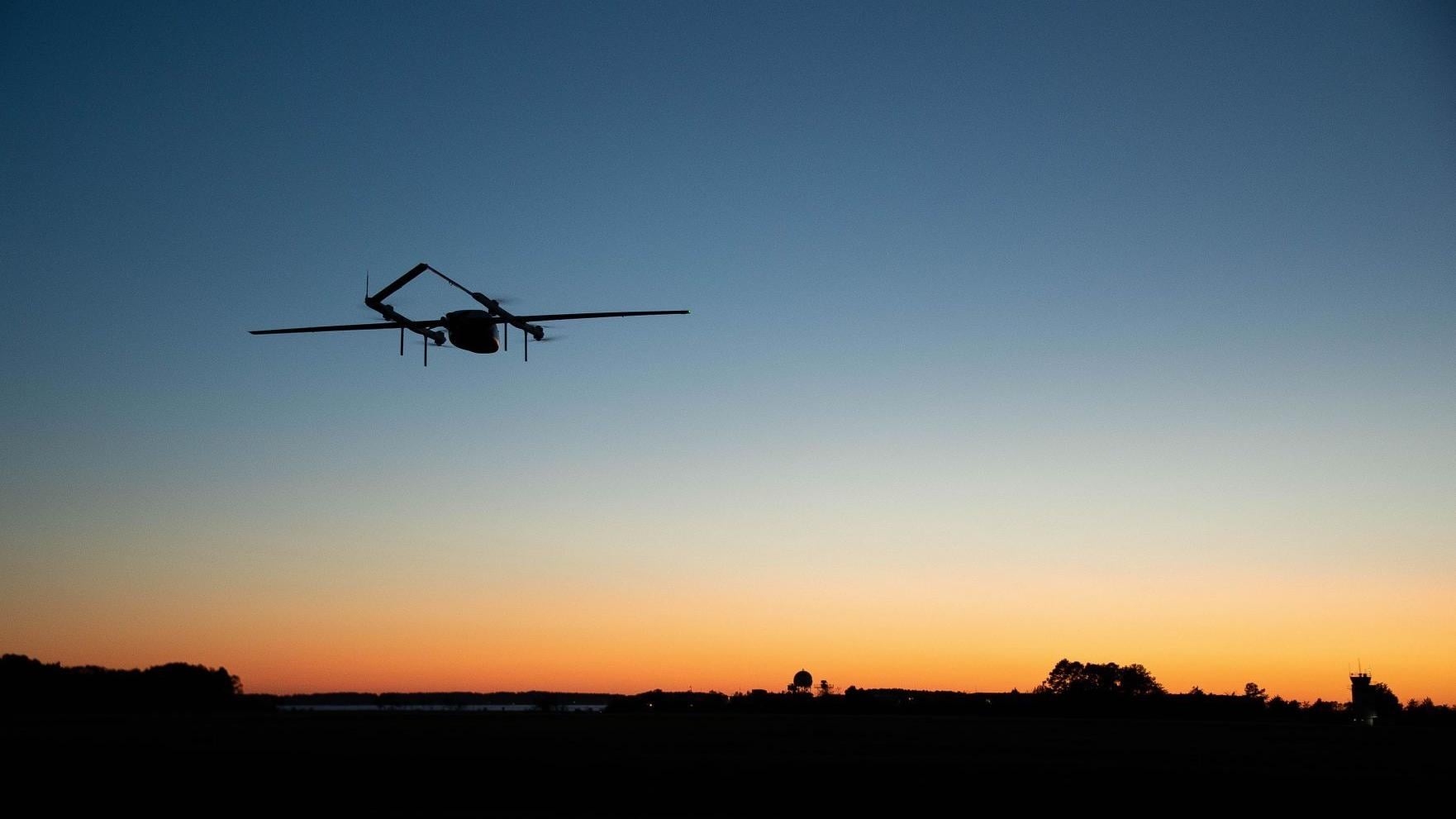
Navy developing UAS for ship cargo resupplyRegional Newsfeatured The Naval Air Warfare Center Aircraft Division (NAWCAD) recently acquired a logistics Unmanned Air System (UAS) prototype to demonstrate long-range naval ship-to-ship and ship-to-shore cargo transport at NAS Patuxent River.
From NAWCAD Communications
2 Min Read
-
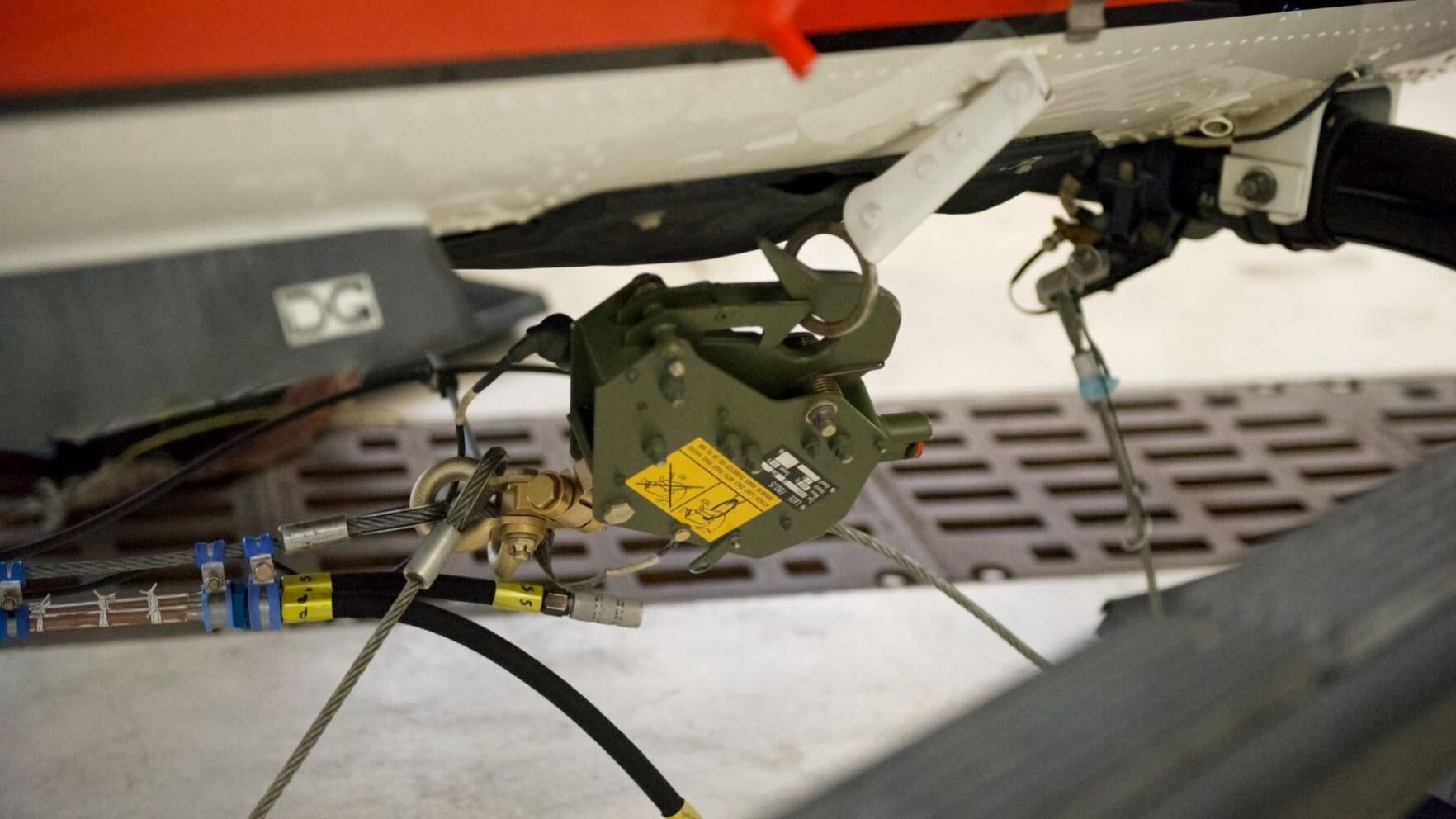
TPS CornerRegional Newsfeatured This 3,306 pound rated cargo hook is shown after being fitted to one of the U.S. Naval Test Pilot School’s UH-72A Lakota primary trainers. The school will begin using its five Lakotas to externally carry a 200 foot long pitot/static trailing source as part of its flight test curriculum, which trains 24 rotary wing test pilots per year. The pitot/statics exercise trains students on calibration test techniques as well as on aircraft chase methodologies. All five USNTPS H-72s will be equipped with a cargo hook as well as an instrumentation package that measures the aircraft’s flying qualities and performance. This will provide test pilots and engineers with real-time data on aircraft attributes such as attitude rates, precise airspeed and altitude, control positions, and engine performance data. The school’s Lakotas fly an average of more than 1,000 hours per year.
By Lt. Cmdr. Tom McCurdy
Senior Rotary Wing Instructor
U.S. Naval Test Pilot School
<1 Min Read
-
Winch hunt: Cargo winch saves CH-53K program millionsWhile trying to cut costs for the CH-53K King Stallion, the Marine Corps’ new heavy-lift helicopter platform, the H-53 program office found an obvious solution—the aircraft’s cargo winch, which was set to cost $350,000 each.
By Jeff Newman
Naval Aviation News Staff Writer
6 Min Read
-
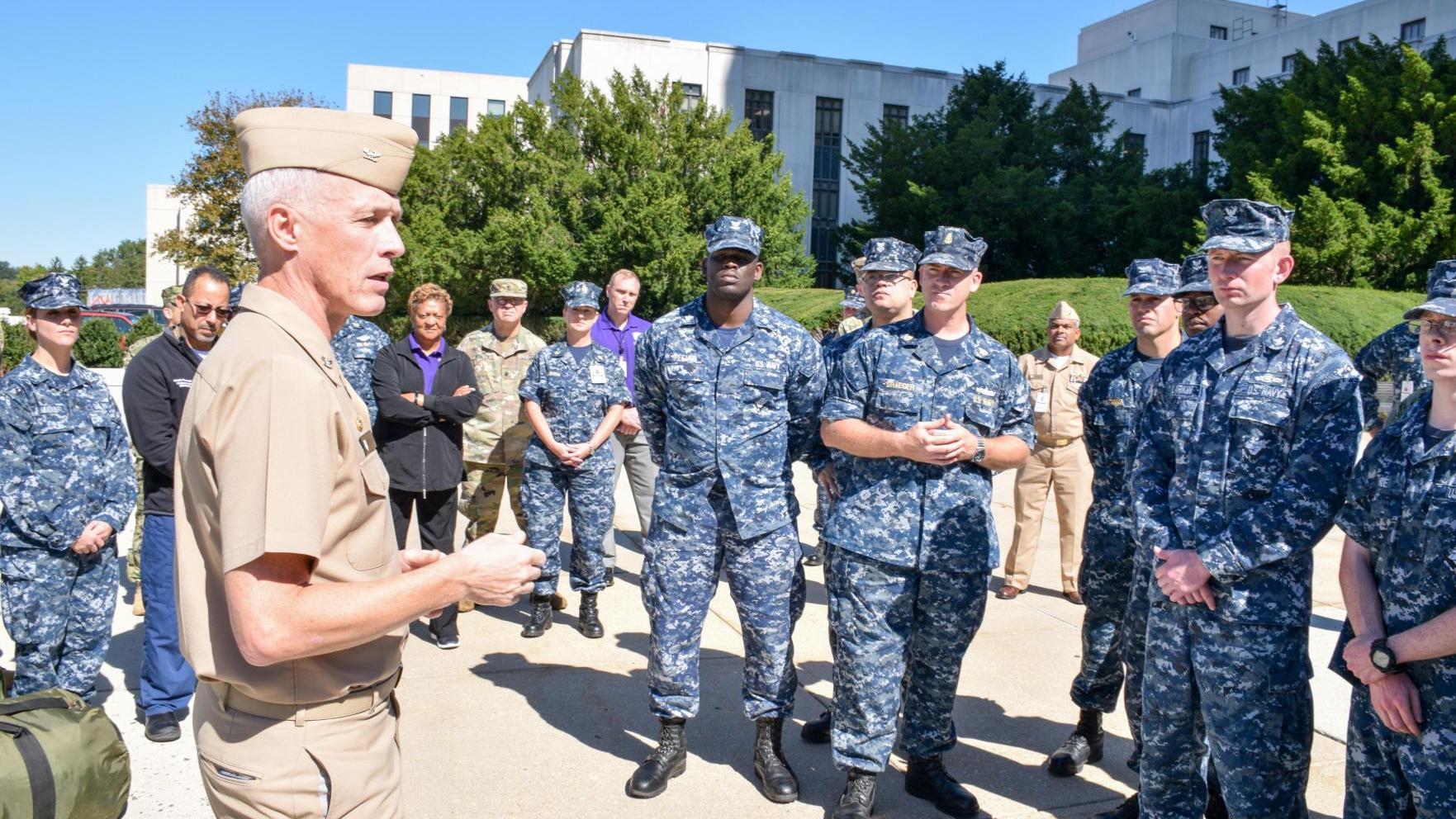
WRNMMC Staff Part of USNS Comfort CrewFeaturesWalter Reed National Military Medical Center Director Navy Capt. (Dr.) Mark A. Kobelja and Command Master Chief Sean Brown speak to Sailors in front of the historic Tower at WRNMMC before the Sailors depart the medical center Sept. 28 for Naval Station Norfolk, Virginia and duty on USNS Comfort (T-AH 20). The Sailors from WRNMMC will be part of the hospital ship’s crew providing relief care in the Caribbean. The Comfort departed Norfolk Friday to support humanitarian relief operations helping those affected by Hurricane Maria. The Comfort is expected to arrive off the coast of Puerto Rico this week. More than 800 Navy medical personnel and support staff, and over 70 civil service mariners are aboard the Comfort, which provides a full spectrum of medical care to include general practice, family medicine, nephrology and pediatrics. The civil service mariners operate and navigate the ship, load and off-load mission cargo, assist with repairs to mission equipment and provide essential services to keep the Comfort up and running.
<1 Min Read
-
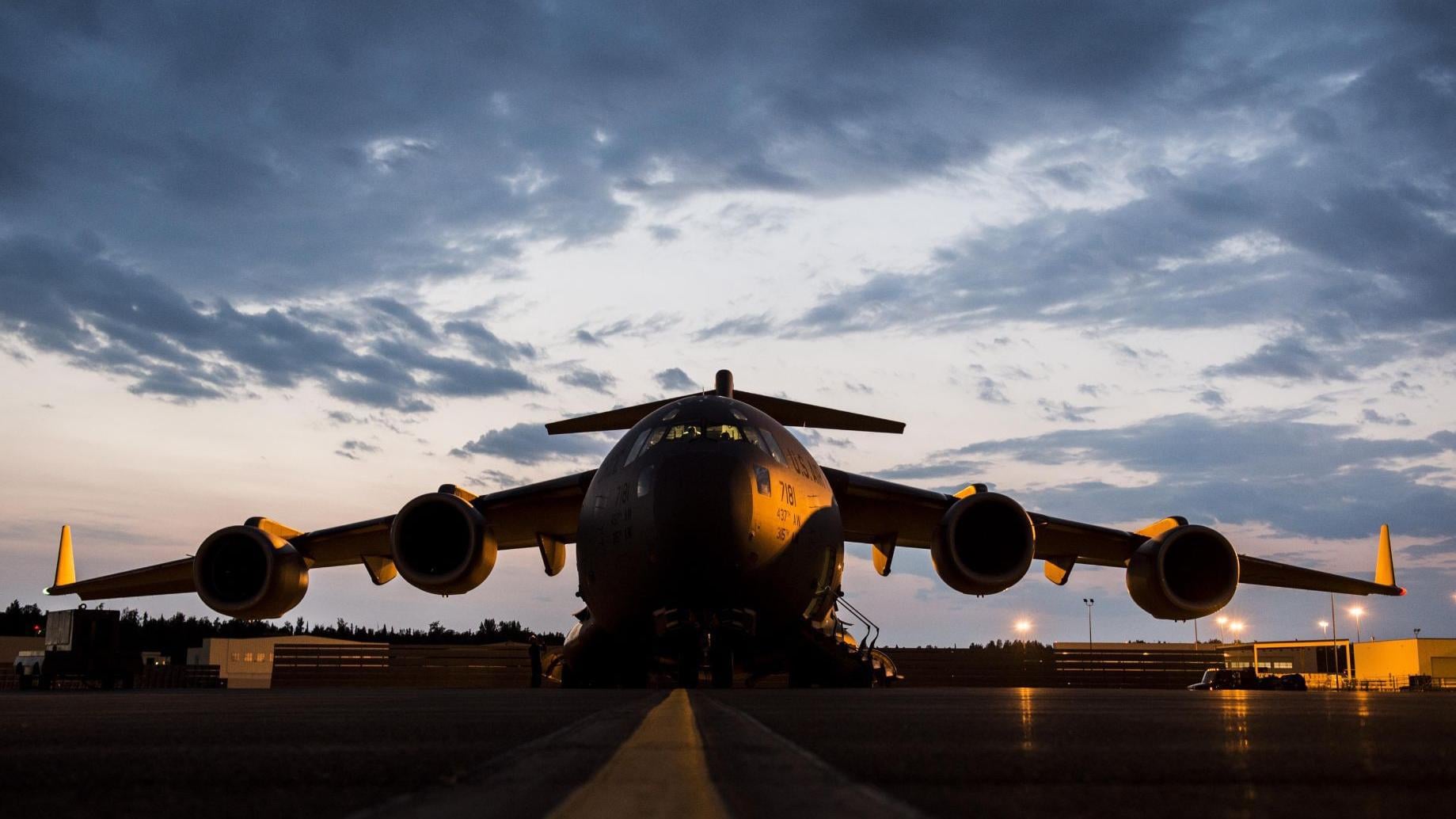
US, coalition partners demonstrate global defense capabilitiesNewsA C-17 Globemaster III from Joint Base Charleston, S.C., sits on the ramp at Joint Base Elmendorf-Richardson, Alaska prior to takeoff July 12 to participate in and provide airlift support for Exercise Talisman Saber 2017. The purpose of TS17 is to improve U.S.-Australian combat readiness, increase interoperability, maximize combined training opportunities and conduct maritime prepositioning and logistics operations in the Pacific. TS17 also demonstrates U.S. commitment to its key ally and the overarching security framework in the Indo Asian Pacific region.
U.S. Air Force photo/Tech. Sgt. Gregory Brook
-
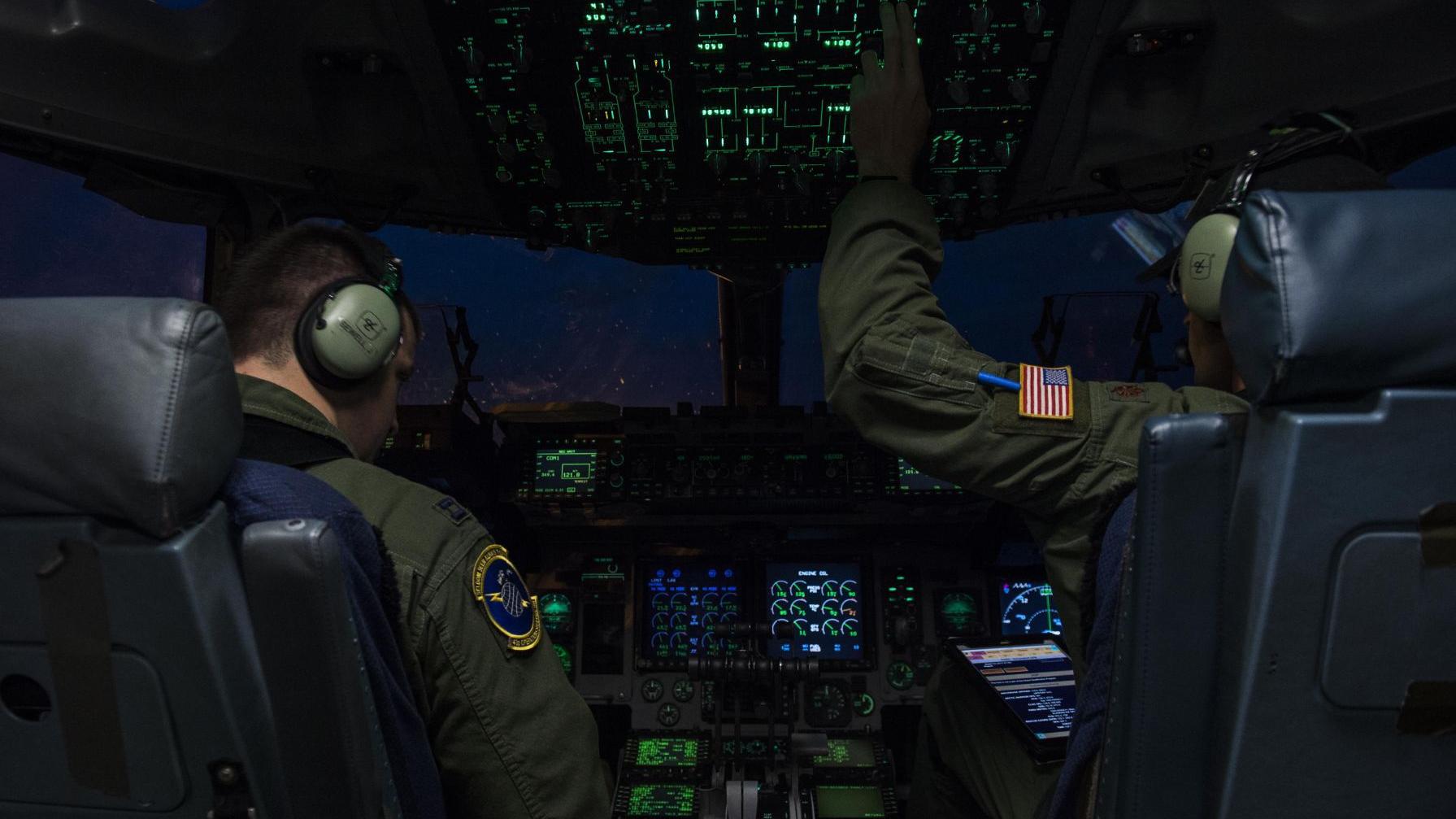
US, coalition partners demonstrate global defense capabilitiesNewsMaj. Timothy Birt and Capt. Greg Sewell, C-17 Globemaster III pilots from the 15th Airlift Squadron, 437th Airlift Wing, Joint Base Charleston, S.C., conduct pre-flight checks on the ramp at Joint Base Elmendorf-Richardson, Alaska prior to takeoff July 12 to participate in and provide airlift support for Exercise Talisman Saber 2017. The purpose of TS17 is to improve U.S.-Australian combat readiness, increase interoperability, maximize combined training opportunities and conduct maritime prepositioning and logistics operations in the Pacific. TS17 also demonstrates U.S. commitment to its key ally and the overarching security framework in the Indo Asian Pacific region.
U.S. Air Force photo/Tech. Sgt. Gregory Brook
-
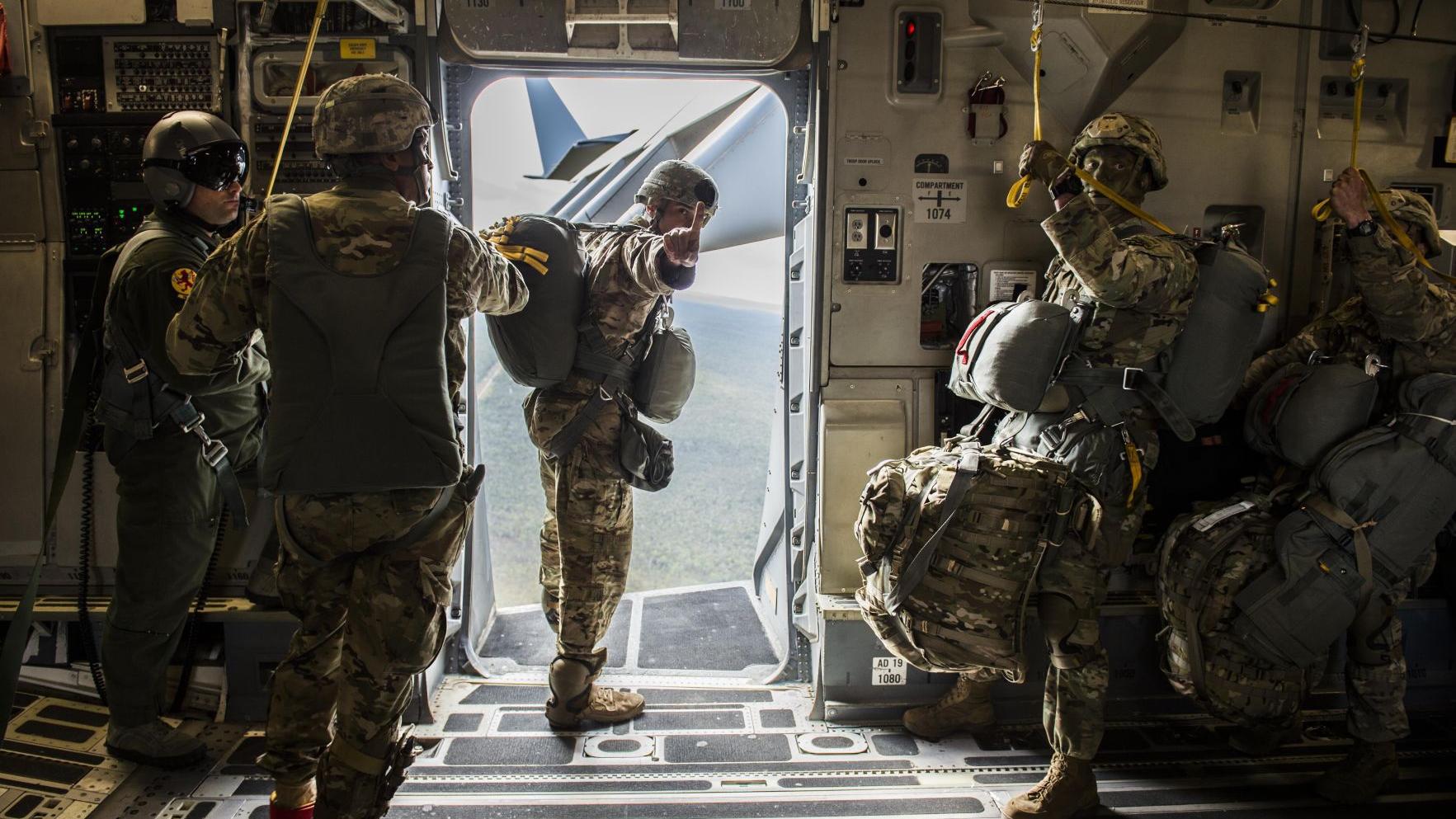
US, coalition partners demonstrate global defense capabilitiesNewsAn Army airborne jumpmaster from the 4th Brigade, 25th Infantry Division, signals "one minute" to drop while he looks out of the open troop door on a U.S. Air Force C-17 Globemaster III from Joint Base Charleston, S.C., July 12 waiting to airdrop in support of Exercise Talisman Saber 2017. The purpose of TS17 is to improve U.S.-Australian combat readiness, increase interoperability, maximize combined training opportunities and conduct maritime prepositioning and logistics operations in the Pacific. TS17 also demonstrates U.S. commitment to its key ally and the overarching security framework in the Indo Asian Pacific region.
U.S. Air Force photo/Tech. Sgt. Gregory Brook